
4C Hair Care Routine: Moisture & Growth Tips (2026)
Click here to read our Ultimate Hair Types Guide to get the best care for your coils! 4C hair is known for its tight coils, beautiful volume, and noticeable shrinkage. While this texture is incredibly versatile, it also requires a thoughtful care routine to stay hydrated and strong. If you often deal with dryness, breakage,…
Click here to read our Ultimate Hair Types Guide to get the best care for your coils!
4C hair is known for its tight coils, beautiful volume, and noticeable shrinkage. While this texture is incredibly versatile, it also requires a thoughtful care routine to stay hydrated and strong.
If you often deal with dryness, breakage, or difficulty retaining length, this guide will help you build a simple and effective 4C hair care routine that supports moisture, strength, and long‑term growth.
What Is 4C Hair?
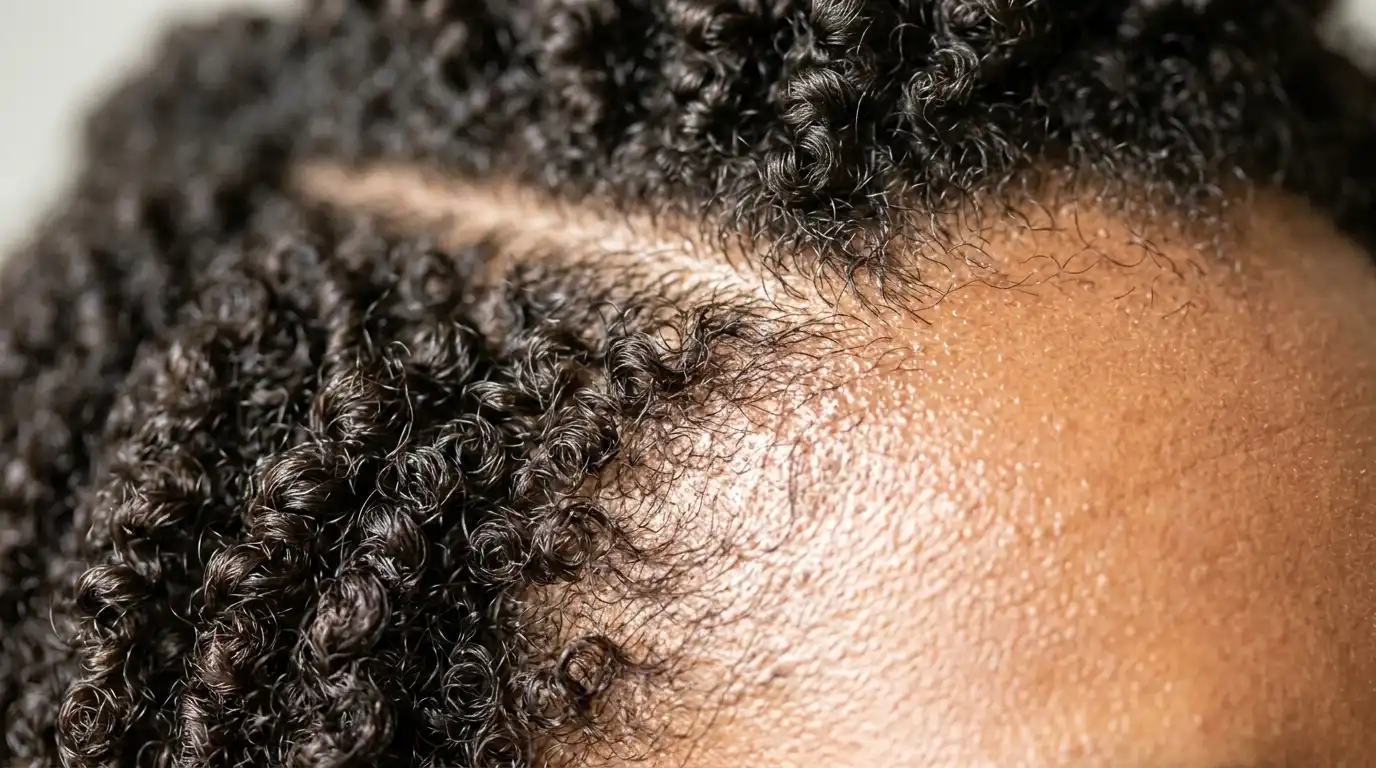
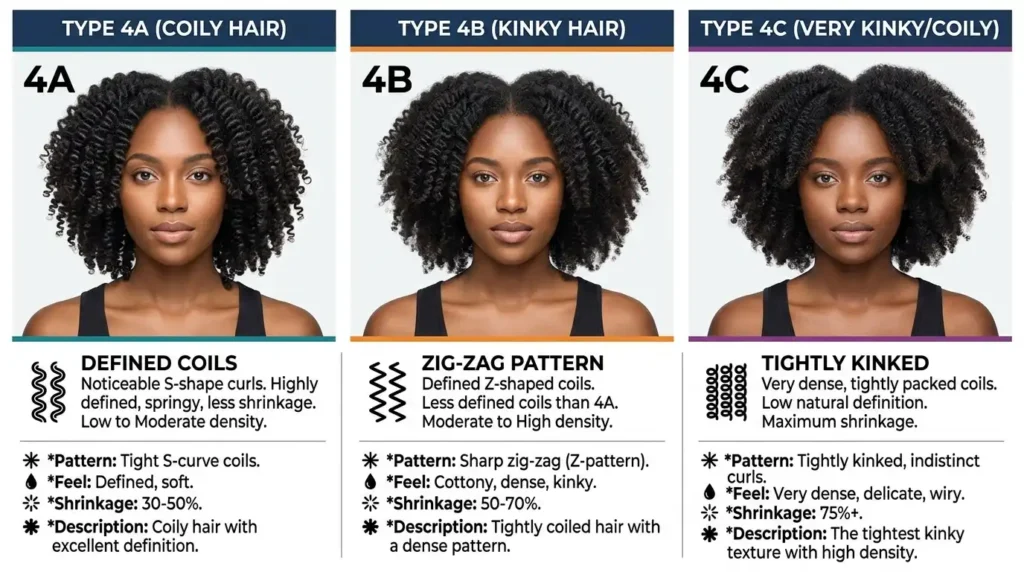
4C hair is the tightest pattern within the Type 4 (coily) category. The strands form small, dense zig‑zag coils that may not show visible curl definition unless styled.
Common characteristics include:
- High shrinkage (up to 70–75%)
- Dense volume
- Naturally dry texture
- Delicate strands prone to breakage
Shrinkage is completely normal and actually a sign of elasticity.
Why This Curl Type Needs Extra Moisture
Because tightly coiled strands bend frequently, natural scalp oils struggle to travel down the hair shaft. As a result, this texture tends to lose moisture quickly.
Without proper hydration, you may notice:
- Roughness
- Tangling
- Split ends
- Frizz
A consistent moisture routine is the foundation of healthy strands.
The Best 4C Hair Care Routine (Step by Step)

Building a structured routine makes maintenance much easier.
1. Gentle Cleansing
Wash every 2–3 weeks with a sulfate‑free shampoo. Harsh cleansers strip natural oils and increase dryness.
Between washes, co‑washing can help refresh the scalp without over‑drying the strands.
2. Weekly Deep Conditioning
Deep conditioning restores hydration and improves manageability.
Look for ingredients like:
- Shea butter
- Aloe vera
- Honey
- Avocado oil
Using gentle heat (a warm towel or heat cap) helps products penetrate better.
3. Moisturize and Seal

To properly moisturize 4C hair, apply:
- Water or leave‑in conditioner
- A lightweight oil to seal
- A cream to soften and define
Consistency is more important than using large amounts of product.
4. Careful Detangling
Always detangle on damp, conditioned hair. Work in sections and start from the ends before moving upward.
Finger detangling can reduce breakage significantly.
5. Night Protection

Protect your strands while sleeping with:
- Satin bonnet
- Silk scarf
- Silk pillowcase
Cotton fabrics absorb moisture and create friction.
Understanding Porosity
Porosity affects how your strands absorb and retain moisture.
Low porosity:
Products sit on top and require lightweight formulas.
High porosity:
Moisture absorbs quickly but escapes fast, requiring richer creams and oils.
Adjusting products based on porosity improves overall results.
Supporting Healthy Growth
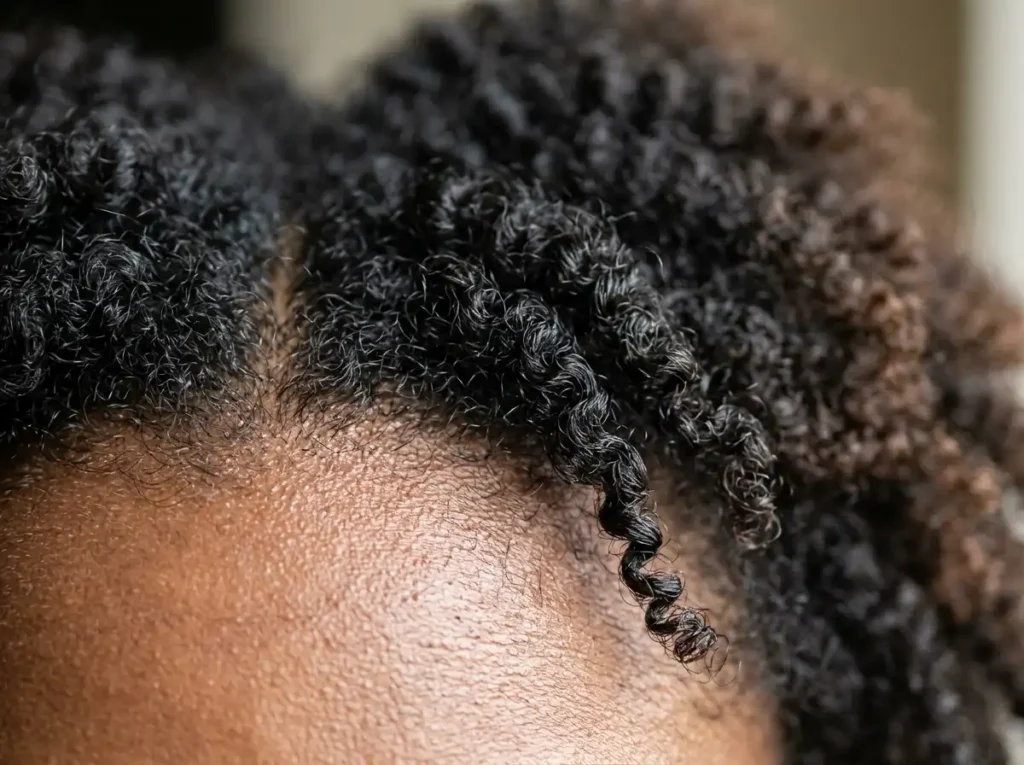
Hair grows from the scalp, so scalp care matters.
To improve length retention:
- Trim split ends regularly
- Avoid tight styles
- Reduce excessive heat
- Maintain a balance between protein and moisture
- Massage your scalp weekly
Healthy habits protect the ends and prevent breakage.
Protective Styling Options
Low‑manipulation styles help reduce daily stress on the strands.
Popular options include:
- Two‑strand twists
- Knotless braids
- Cornrows
- Bantu knots
- Puff styles
Avoid keeping protective styles too long to prevent tension damage.
Choosing the Right Products
When selecting products, prioritize hydration and gentle formulas.
Look for:
- Sulfate‑free cleansers
- Rich conditioners
- Creamy leave‑ins
- Natural sealing oils like castor or jojoba
Avoid high alcohol content, which dries the strands.
Common Mistakes to Avoid
Many issues come from simple habits, such as:
- Overwashing
- Skipping deep conditioning
- Detangling dry strands
- Using excessive heat
- Applying too many heavy products daily
Gentle, consistent care delivers better long‑term results.
Frequently Asked Questions
Can 4C hair grow long?
Yes. With proper care and protection, it can retain significant length.
How often should it be washed?
Every two to three weeks works for most routines.
Is shrinkage a bad sign?
No. Shrinkage shows elasticity and healthy structure.
What helps reduce breakage?
Moisture, low manipulation, and protective styling.
Final Thoughts
4C hair is strong, versatile, and full of character. With the right moisture strategy, careful handling, and protective styling, it can remain healthy and manageable.
Consistency matters more than complexity. Focus on hydration, gentle care, and scalp health for the best long‑term results.