
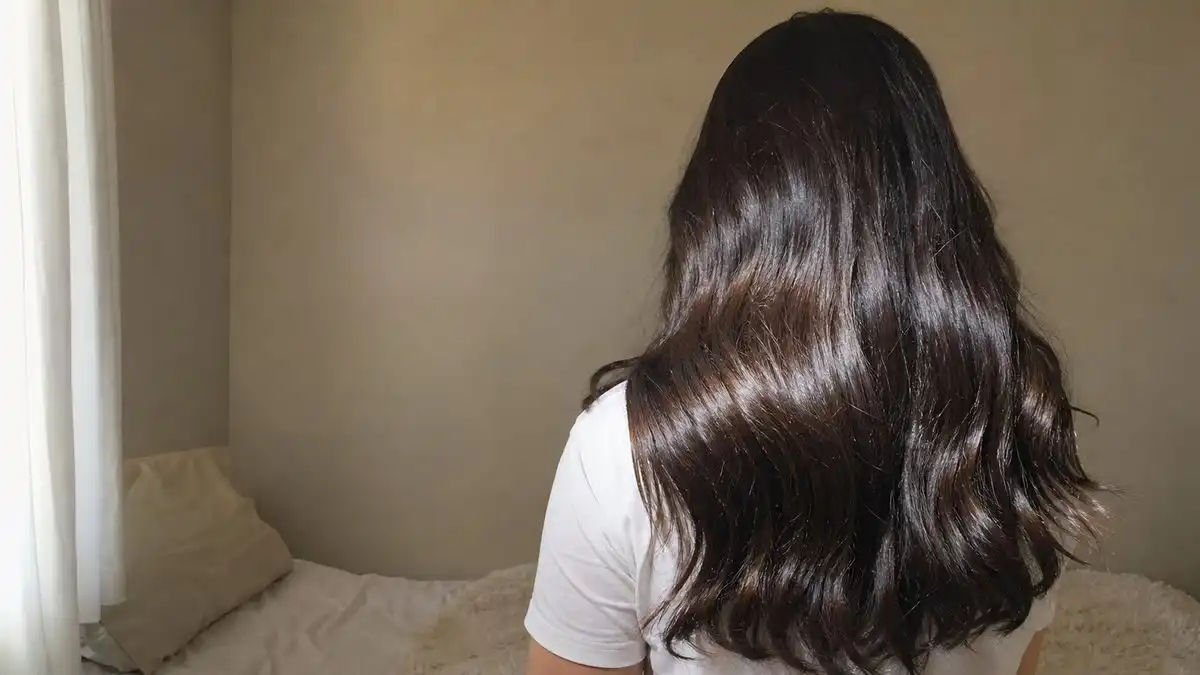
Hair Gloss: The Ultimate Easy Guide to Shine and Tone
A hair gloss is a semi-permanent treatment that coats the outside of the hair with a thin, light-reflecting layer. It adds shine, smooths the surface, and — if it carries pigment — shifts the tone slightly warmer, cooler or richer. It is not a dye. It does not lighten, it does not cover grey completely,…
A hair gloss is a semi-permanent treatment that coats the outside of the hair with a thin, light-reflecting layer. It adds shine, smooths the surface, and — if it carries pigment — shifts the tone slightly warmer, cooler or richer. It is not a dye. It does not lighten, it does not cover grey completely, and it does not repair the strand.
What a hair gloss does better than almost anything else on a shelf is make hair look expensive for three to four weeks, with no root line and no commitment. Here is everything that decides whether it works for your hair: what it is, how it differs from a glaze, a toner and a dye, what it costs in a salon versus at home, and how to keep the shine longer than a week.
How a hair gloss works
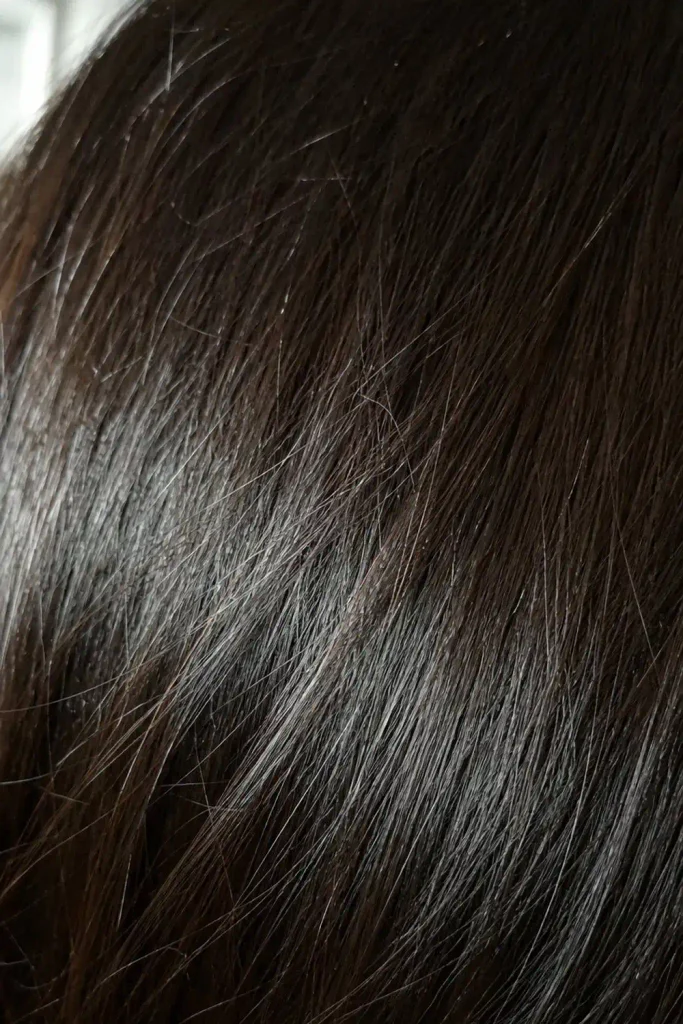
The cuticle is the outer shell of every strand, made of overlapping scales. When those scales lie flat, light bounces off evenly and hair looks glossy. When they lift — from heat, brushing, bleach, hard water — light scatters and hair looks dull and frizzy.
A gloss fills the gaps between the scales with a film of polymers, conditioning agents and (often) a small amount of direct dye. The film is acidic, which is why it also makes the cuticle contract and lie flatter. The result is shine that reads as health, plus a tone that looks refreshed.
Understanding one thing explains every question about a hair gloss: the effect sits on the surface. Nothing enters the cortex. That is why it is safe, why it fades within weeks, and why it cannot fix damage.
Hair gloss vs glaze vs toner vs dye
| Treatment | What it does | Lasts | Risk |
|---|---|---|---|
| Hair gloss | Shine + light tone refresh | 3–4 weeks | Low |
| Glaze | Mostly shine, minimal tone | 1–2 weeks | Very low |
| Toner | Cancels unwanted tone after lightening | 2–4 weeks | Medium |
| Demi-permanent dye | Real colour change, no lift | 4–6 weeks | Medium |
| Permanent dye | Lifts and deposits, covers grey | Until it grows out | High |
Brands use “gloss” and “glaze” almost interchangeably, so do not read too much into the label. The reliable difference is pigment: a clear hair gloss only shines, a tinted one shifts tone, and a toning one is a gloss built for blonde.
What a hair gloss actually does for you
- Shine. The film flattens the cuticle, so light reflects instead of scattering. This is the effect people notice first.
- Tone. A tinted gloss adds brightness to brown, warmth to copper, coolness to blonde. It does not lift.
- Smoother texture. The coating reduces friction, so hair feels silkier and tangles less for a few weeks.
- Less visible frizz. Frizz is scattered light. A flatter surface reads as calmer hair, which is why a hair gloss pairs well with simple anti-frizz habits.
- Fade protection. A light pigment layer slows the look of washed-out colour between appointments.
What a hair gloss cannot do
It cannot repair damage. Shine comes from the surface; strength comes from inside the strand, and a gloss never reaches the cortex. A gloss on breaking hair looks coated and stiff within a week — treat the breakage first.
It cannot lighten. No gloss lifts brown hair to blonde, and no gloss lifts blonde to lighter blonde.
It cannot cover grey properly. It tints grey for a week or two at most, then the white comes back through. If grey coverage is the goal, that is permanent dye.
The three types of hair gloss
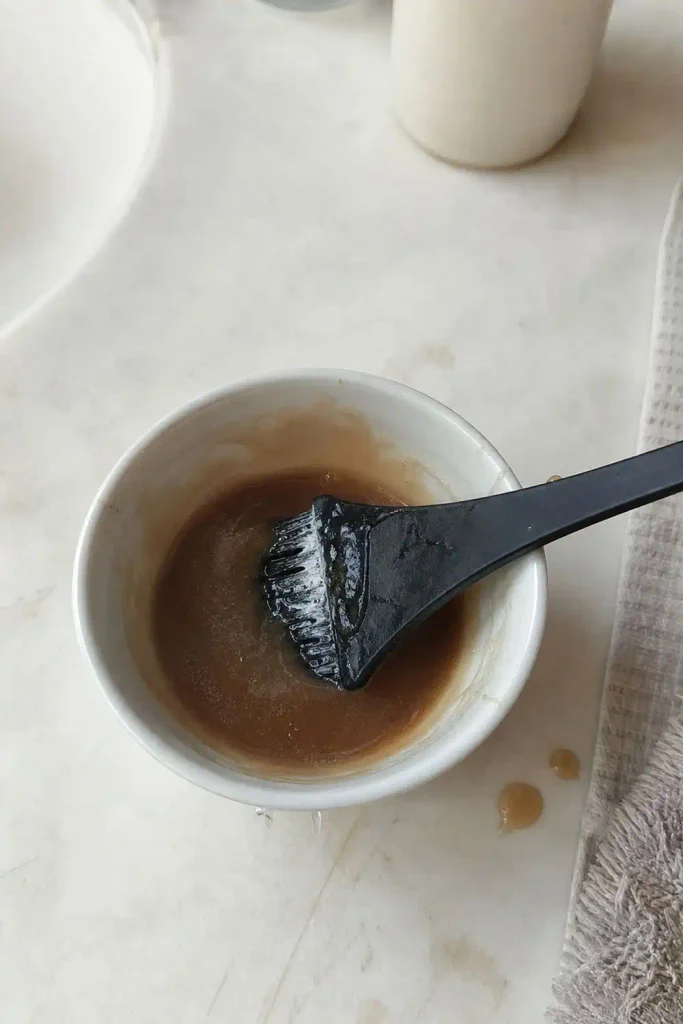
| Type | Best for | Watch out |
|---|---|---|
| Clear | Virgin hair, fine hair, anyone who only wants shine | Nothing — the safest option |
| Tinted | Faded colour, dull brown, flat blonde | Can grab unevenly on porous hair |
| Toning | Yellow or orange blonde, brassy highlights | Strongest pigment — weakens if left too long |
Salon or at home?
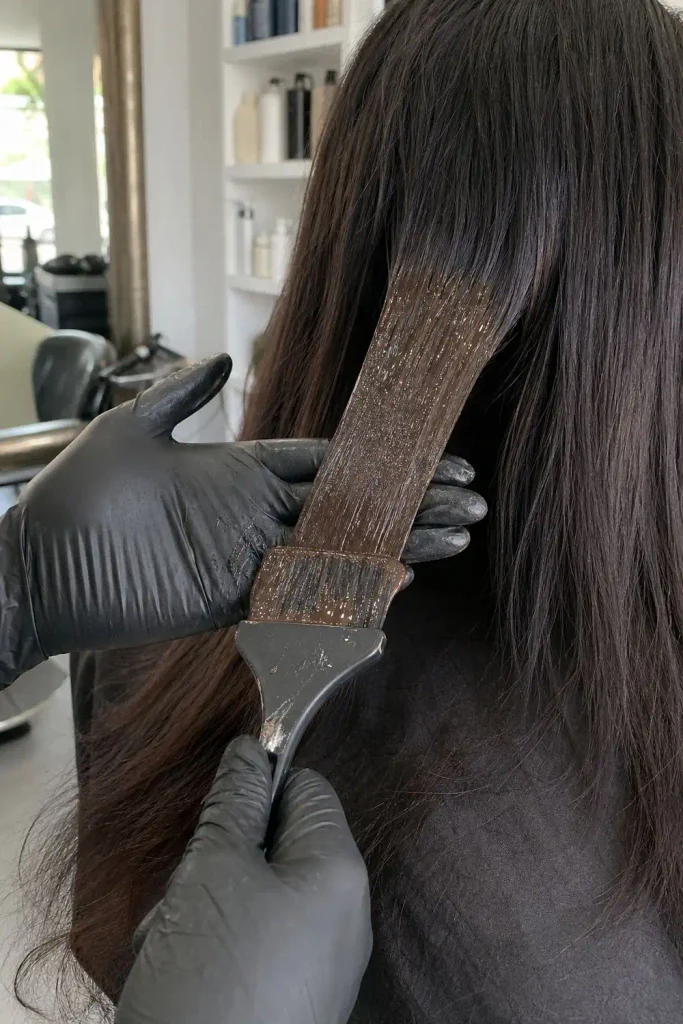
| Salon gloss | At-home gloss | |
|---|---|---|
| Cost | $40–120 per visit | $10–35 per box, 2–4 uses |
| Time | 20–45 minutes plus travel | 15–20 minutes at home |
| Result | More even, custom tone | Good shine, safer tone |
| Risk | Low | Patchy if applied unevenly |
If you only want shine, an at-home hair gloss is enough. If you want a specific tone — ashy blonde, warm copper, deeper brunette — pay for the salon version, because colour correction is where DIY goes wrong.
How long does a hair gloss last?
Three to four weeks for most people. The film does not disappear in one wash; it thins gradually, and the shine fades faster than the tone.
| Your routine | Realistic lifespan |
|---|---|
| Wash 2× a week, sulfate-free, cool water | 4–5 weeks |
| Wash 4× a week, regular shampoo | 2–3 weeks |
| Daily washing + hot water + heat styling | 10–14 days |
| High porosity or very porous ends | 2 weeks, unevenly |
Is a hair gloss good for fine hair?
Yes, with one rule: clear, not tinted. Fine hair has less surface to carry a film, so a heavy tinted gloss can make it look limp and slightly greasy by day five. A clear hair gloss on fine hair adds shine without weight, and a light mist is enough.
Hair that is very porous — bleached, heat-damaged, or naturally high porosity — absorbs pigment unevenly. That is why the same gloss looks rich on one head and patchy on another. If you are not sure which group you are in, your hair type and porosity are the starting point.
How often should you gloss?
Every three to four weeks if you love the shine. Every six to eight weeks if your hair is fine, porous or already coloured.
Everyday use is not a thing, whatever the label on a “gloss shampoo” suggests. Those are conditioning shampoos with a deposit of shine agents — pleasant, but not the same product, and not a reason to skip the real treatment.
How to make a hair gloss last longer
- Wait 48 hours before shampooing after the treatment, so the film can set.
- Switch to a sulfate-free shampoo. Sulfates are the single fastest way to strip a gloss; here is what to look for in a sulfate-free shampoo.
- Wash in cooler water. Heat opens the cuticle and releases the coating.
- Skip clarifying for two weeks. A clarifying shampoo removes a gloss in one wash — useful later, fatal on day three.
- Protect from heat. Flat irons at 230°C break the film down faster than anything else.
Common mistakes with a hair gloss
- Applying to the roots only. Gloss belongs on mid-lengths and ends; the roots are the oiliest part and need it least.
- Leaving it on longer than the box says. More time does not mean more shine on porous hair, it means uneven grab.
- Glossing right before a colour appointment. The coating can interfere with how dye takes — leave two weeks.
- Using it to hide damage. It hides the look of damage for a week, then the ends feel stiff.
- Expecting a colour change. A gloss refreshes. It does not transform.
Frequently asked questions
Is a hair gloss just a toner?
No. A toner is built to cancel unwanted tone after lightening and usually needs a developer. A gloss is a shine treatment that may carry light pigment. Some products are both, which is where the confusion starts.
Will a hair gloss change my hair colour?
Slightly, and only if it is tinted. It can deepen brown, warm copper or cool blonde for a few weeks. It cannot make hair lighter.
How much does a hair gloss cost?
A salon gloss runs about $40–120 depending on city and hair length. An at-home hair gloss is $10–35 per box and usually covers two to four applications.
Does a hair gloss make hair healthier?
It makes hair look healthier and feel smoother, but it adds nothing structural. If you want real improvement, that comes from moisture, protein balance and less friction.
Is it bad for fine hair?
A tinted gloss can weigh fine hair down. A clear one is safe and is the better choice.
Can I use a gloss over bleached hair?
Yes, but wait at least a week after lightening and start with a clear or toning gloss, not a dark tint.
What can I use instead of a gloss?
A shine serum gives a day of gloss, a hair mask gives softness for a week, and a demi-permanent dye gives real tone for six weeks. Nothing else gives three weeks of shine with zero commitment.
Which hair types benefit most?
Medium to coarse hair, wavy and curly textures, and anyone with faded colour. Fine hair benefits from the clear version only.
Why does my hair not hold colour or gloss?
Usually porosity. Porous hair releases pigment faster, so the treatment fades in half the time. Sealing the ends with a light oil slows it down.
Does a hair gloss help with grey hair?
It softens the contrast for a week or two, but it does not cover grey. For coverage you need permanent colour.
The short version
A hair gloss is a three-to-four-week shine treatment with a light tone shift and no root line. Clear for fine hair, tinted for faded colour, toning for blonde, salon for precision, at home for maintenance. Pair it with a sulfate-free shampoo and cooler water, and it will look like you left the salon last week.
For the step-by-step version you can do in your bathroom, read how to do a hair gloss at home, and for the tone side of the equation see our guide to hair colours.