
Auburn Hair: The Complete 2026 Guide to Shades, Dyeing, and Maintenance
Some hair colors come and go with the seasons. Auburn hair is not one of them. Year after year, this warm, multi-dimensional blend of red and brown keeps topping salon request lists — and in 2026, it’s having an even bigger moment thanks to the “old money red” and cowboy-copper trends flooding social feeds. Whether you were…
Some hair colors come and go with the seasons. Auburn hair is not one of them. Year after year, this warm, multi-dimensional blend of red and brown keeps topping salon request lists — and in 2026, it’s having an even bigger moment thanks to the “old money red” and cowboy-copper trends flooding social feeds. Whether you were born a brunette, a blonde, or somewhere in between, there’s an auburn shade that can warm up your complexion, make your eyes pop, and give your hair that expensive, lit-from-within glow.
In this guide, we’ll break down exactly what auburn hair is, how it differs from other red shades, which version suits your skin tone, how to choose the right red brown hair dye, and how to keep your color looking salon-fresh for weeks. Let’s get into it.
Table of Contents
What Exactly Is Auburn Hair?
Auburn sits right at the crossroads of two color families. Technically, it’s a reddish brown hair color — a brown base infused with warm red, copper, and sometimes mahogany undertones. That dual nature is exactly what makes it so wearable:
- Too nervous for full-on red? Auburn gives you the warmth without the commitment of a fire-engine shade.
- Bored of plain brunette? Auburn adds richness and movement that flat brown simply can’t match.
- Worried about maintenance? Because it’s anchored in brown, auburn fades far more gracefully than pure red.
Think of celebrities like Julia Roberts in her iconic ’90s era, Emma Stone on almost any red carpet, or Jessica Chastain’s deeper moments — all variations on the auburn theme, each adjusted to flatter their individual coloring.
Auburn vs. Ginger vs. Copper vs. Mahogany: What’s the Difference?
Red shades get mixed up constantly, so here’s a quick cheat sheet:
- Ginger — light, bright, orange-leaning red. Think Ed Sheeran or natural redheads with freckles.
- Copper — vivid, metallic orange-red with high shine. Bolder and brighter than auburn.
- Auburn — a true reddish brown hair color: deeper, richer, and more brown-based than both of the above.
- Mahogany — auburn’s cool-toned cousin, with violet-red undertones instead of orange-red.
If copper is a flame, auburn is the glowing ember — warmer, deeper, and easier to live with every day.
The Most Flattering Auburn Hair Shades to Try in 2026
1. Classic True Auburn
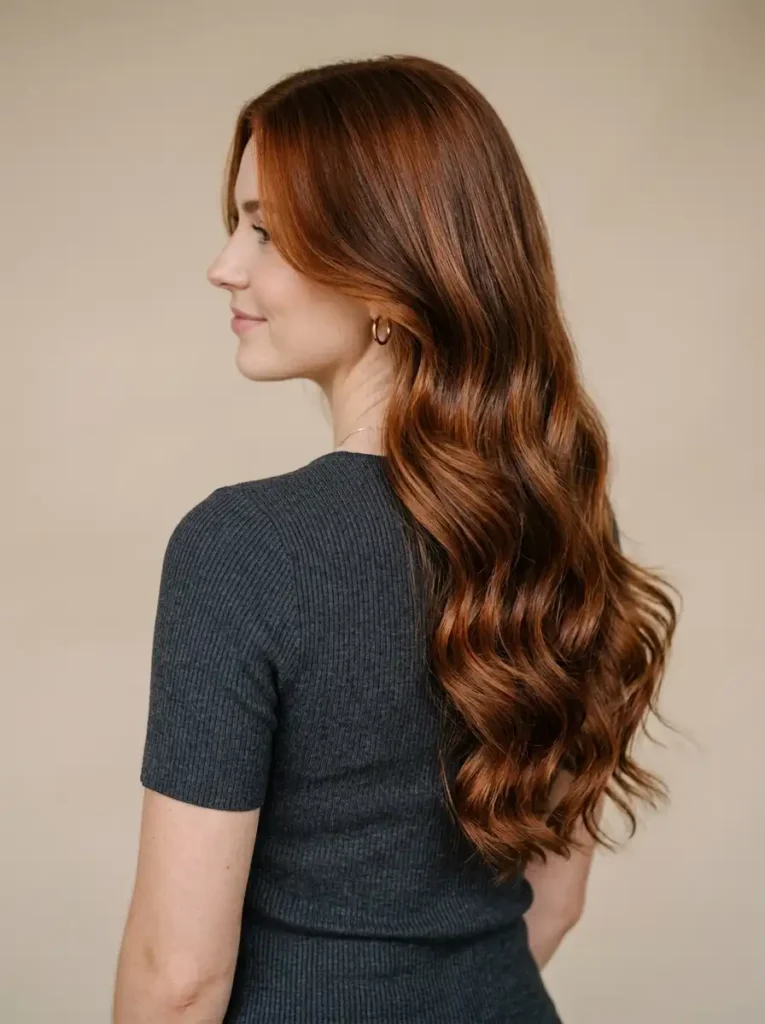
The perfect 50/50 balance of red and brown. This is the shade most people picture when they hear “auburn,” and it’s the safest entry point if it’s your first time going warm. It flatters nearly every skin tone and transitions beautifully through every season.
2. Light Auburn

A sunlit, copper-kissed version that’s perfect for fair to medium skin tones and anyone who wants a brighter, more playful finish. If this is the direction you’re leaning, don’t miss our dedicated light auburn hair color guide for formulas and inspiration photos.
3. Dark Auburn Hair Color
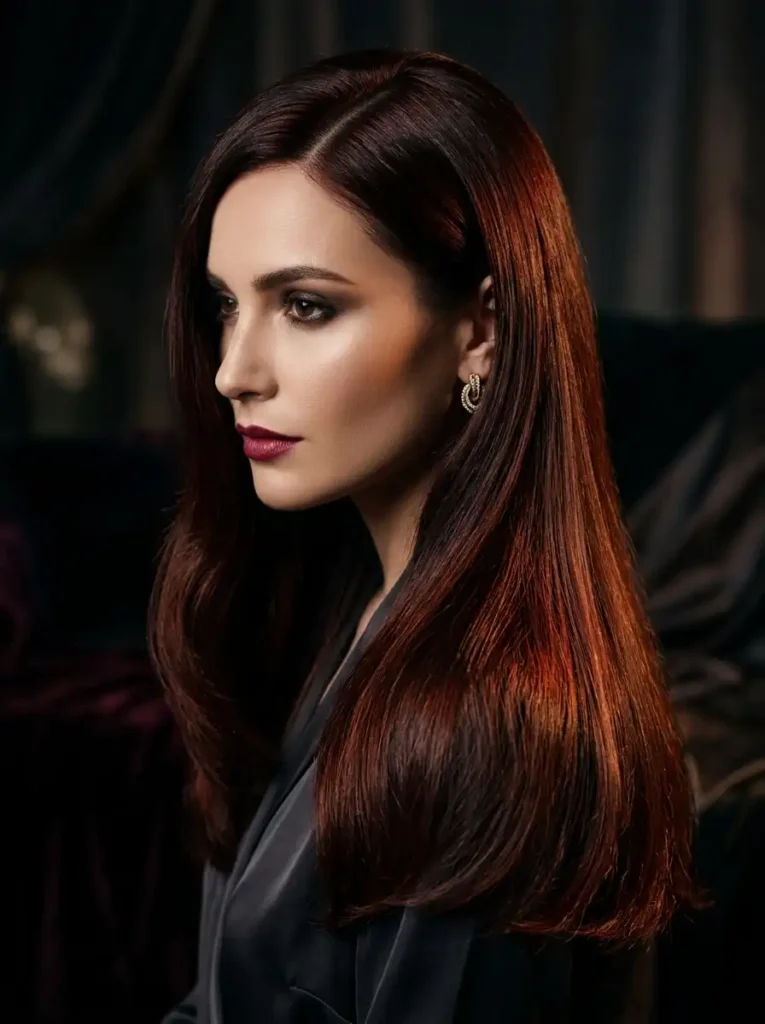
Deep, moody, and luxurious — dark auburn hair color reads as brunette indoors and reveals smoldering red tones in sunlight. It’s the lowest-maintenance auburn of all, ideal for natural brunettes who want a subtle transformation, and an absolute showstopper in fall and winter. If you love this depth of red, you’ll also want to browse our dark red hair ideas for even more inspiration.
4. Auburn Brown Hair
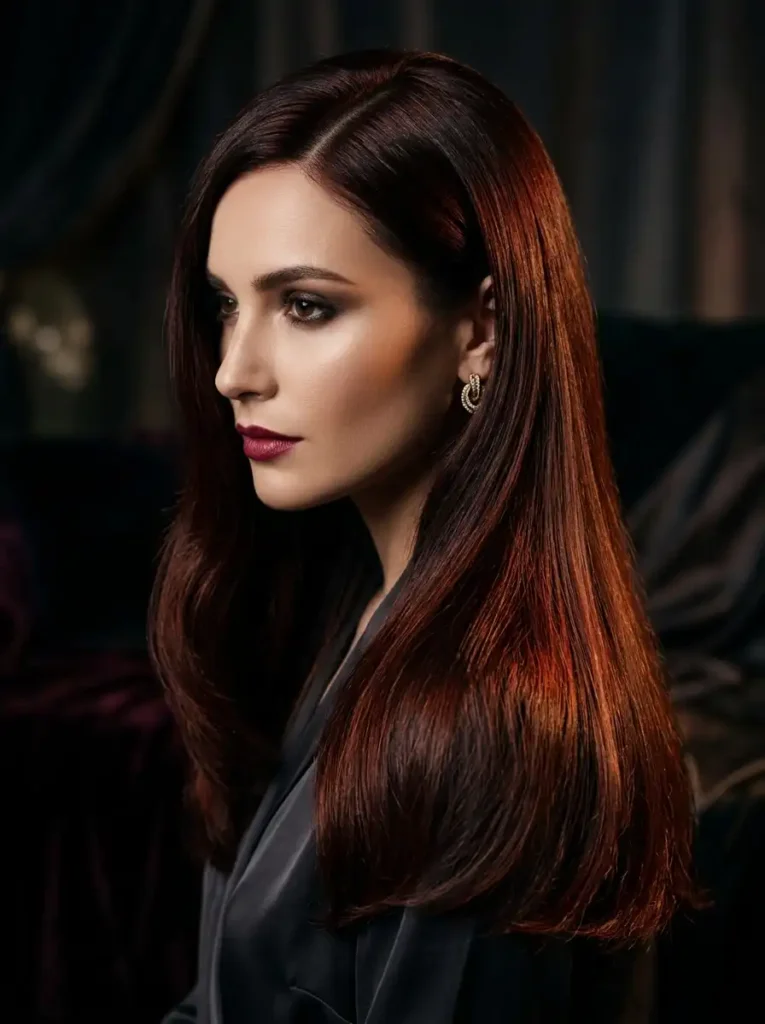
Leaning roughly 70% brown and 30% red, auburn brown hair is the most natural-looking option in the family. It’s perfect for the office, for anyone testing the red waters for the first time, and for people who want their color to whisper rather than shout. Pair it with a glossing treatment and the shine is unreal.
5. Red Auburn

Flip the ratio — more red than brown — and you get a statement-making shade with rusty, vivid undertones. This one demands a bit more upkeep but rewards you with serious head-turning power.
6. Auburn Balayage & Highlights
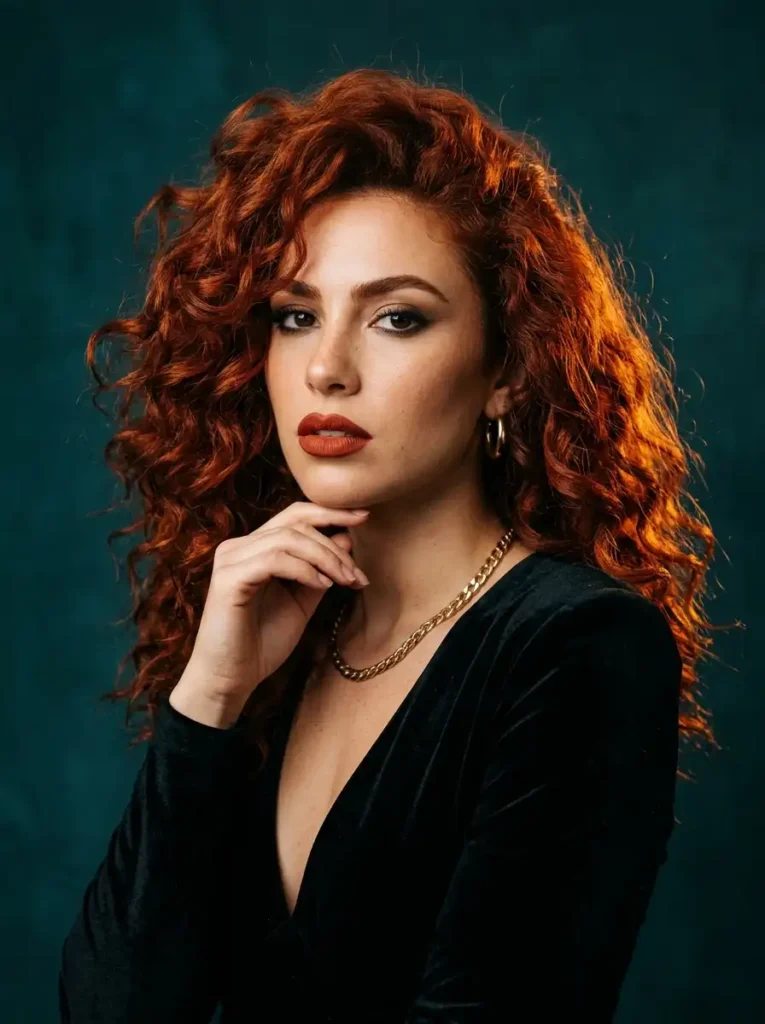
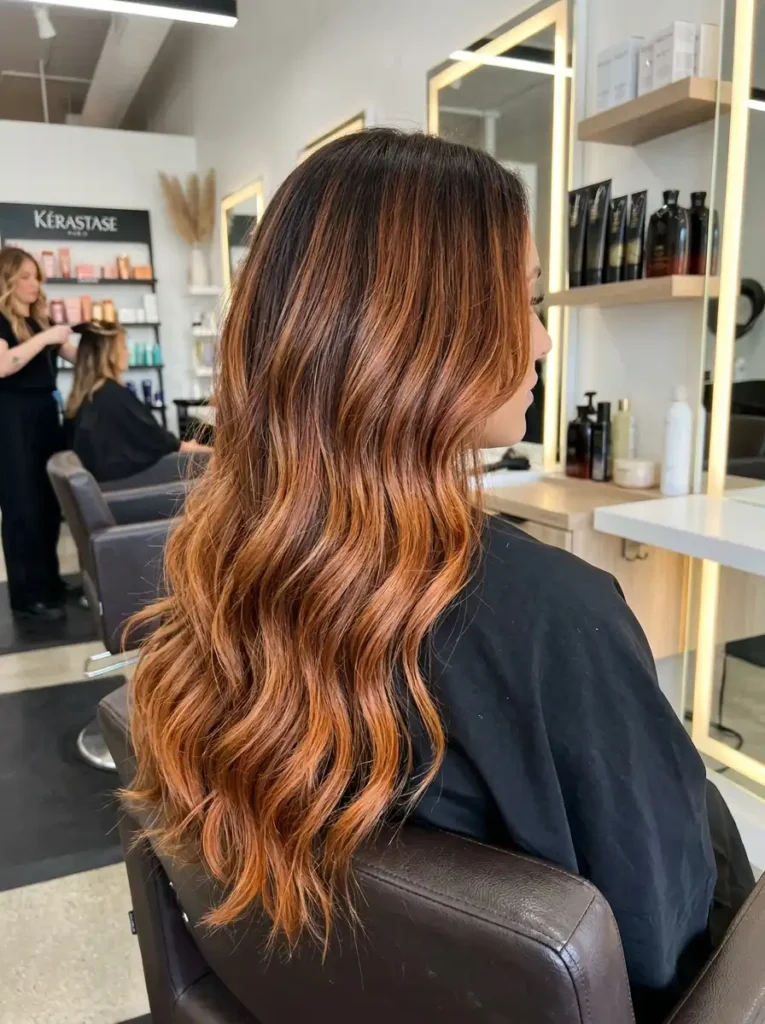
Not ready for all-over color? Auburn balayage on a brown base adds warmth and dimension with almost zero root maintenance. Conversely, adding caramel or copper ribbons to an auburn base creates a sun-kissed, multi-tonal effect. For more ways to play with dimension, check out our roundup of hair color ideas.
Which Auburn Shade Suits Your Skin Tone?
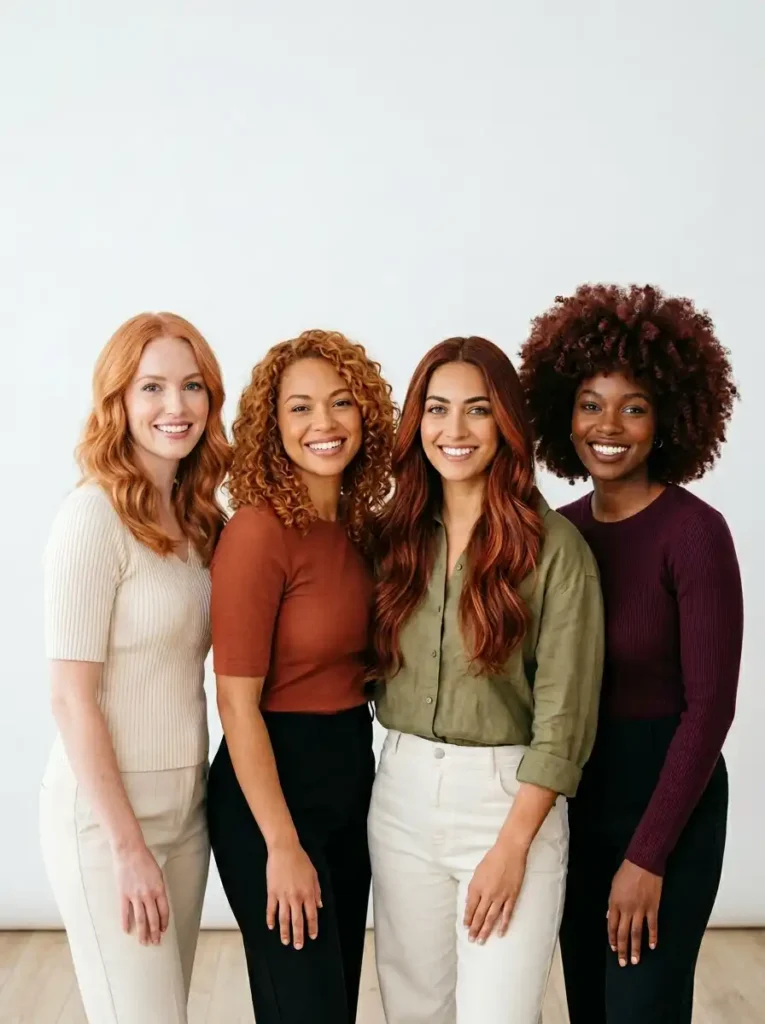
- Fair skin with cool undertones: light auburn or true auburn with a hint of mahogany to avoid clashing with pink undertones.
- Fair to medium skin with warm undertones: you hit the jackpot — almost any auburn works, especially golden and copper-leaning versions.
- Olive skin: rich auburn brown hair or dark auburn keeps things harmonious and sophisticated.
- Deep skin tones: dark auburn hair color with mahogany or cinnamon undertones looks absolutely stunning and adds gorgeous warmth around the face.
A simple trick: look at the veins on your wrist. Greenish veins suggest warm undertones (go golden-auburn), bluish veins suggest cool undertones (go mahogany-auburn), and a mix means you’re neutral and can wear it all. For a deeper dive into matching color to complexion, see our guide to natural hair colors for every skin tone.
How to Choose the Right Red Brown Hair Dye
Walking into the hair color aisle can feel overwhelming, so here’s how to decode the boxes and pick a red brown hair dye that actually delivers what’s on the packaging:
- Check the number-letter code. Most brands label auburn shades with a 4, 5, or 6 (the depth level) followed by an R, RB, or RV (red, red-brown, red-violet). A “5R” is a medium auburn; a “4RB” is a dark reddish brown hair color.
- Stay within two levels of your natural color for at-home dyeing. Going lighter than that requires pre-lightening, which is best left to a professional.
- Demi-permanent vs. permanent: demi-permanent dye deposits color without lifting, fades gradually over 24–28 washes, and is perfect for first-timers. Permanent dye gives richer, longer-lasting results and covers grays — the better choice if you’re committing.
- Buy two boxes if your hair is past your shoulders or very thick. Running out of dye halfway through is the most common at-home disaster.
- Always strand test. Red pigments behave differently on every base, and 30 minutes of patience beats weeks of regret.
And before you open that box: coloring is chemistry, and healthy hair holds color dramatically better. Read our guide on how to prevent damage when coloring hair first — your future self will thank you.
Step-by-Step: Dyeing Your Hair Auburn at Home
- Start with day-two hair. Don’t wash right before coloring; your scalp’s natural oils protect against irritation.
- Section into four quadrants — ear to ear, then forehead to nape. Clip each section. Even application is the difference between salon-looking results and patchy DIY ones.
- Apply to the mid-lengths and ends first if your hair is virgin (uncolored), then do the roots last — roots process faster due to scalp heat.
- Respect the processing time. Red molecules are larger than other pigments and need the full development window to settle in. Don’t rinse early.
- Rinse with cool water until it runs clear, then use the included conditioner. Wait a full 48–72 hours before your first shampoo so the cuticle can close and lock in pigment.
How to Keep Auburn Hair Vibrant (The Part Everyone Skips)
Here’s the honest truth: red pigment molecules are the largest in hair color chemistry, which means they sit closer to the surface of the hair shaft and escape faster. Auburn hair fades more graciously than pure red, but it still needs strategy:
- Wash less, and wash smart. Every shampoo costs you pigment. Aim for 2–3 washes a week max, with cool or lukewarm water. A sulfate-free shampoo is non-negotiable for color-treated hair — sulfates strip red pigment faster than anything else.
- Use a color-depositing conditioner or gloss once every 1–2 weeks. A copper or red-brown gloss refreshes vibrancy between salon visits for a fraction of the cost.
- Shield it from heat. UV rays and hot tools both oxidize red pigment. Use a heat protectant religiously and a UV-protective spray in summer.
- Hydrate constantly. Warm tones look best on glossy, healthy hair. A weekly deep-conditioning mask keeps your auburn glowing instead of dull. Build it into your routine with our best hair care routine guide.
- Filter your shower water if you can. Hard water minerals dull warm tones noticeably — a simple showerhead filter makes a visible difference.
Auburn Hair FAQs
Does auburn hair fade fast?
Faster than brunette, slower than vivid red. Expect noticeable softening after 4–6 weeks. With sulfate-free washing and regular glossing, you can stretch salon visits to 8–10 weeks for darker shades.
Can I get auburn hair without bleach?
If your hair is light to medium brown — yes, absolutely. A red brown hair dye two levels lighter or darker than your base needs no bleach. Very dark brunettes wanting light auburn will need gentle pre-lightening for the red to show.
Is auburn hair high maintenance?
Darker, brown-dominant shades like auburn brown hair are surprisingly low maintenance because regrowth blends in softly. The lighter and redder you go, the more touch-ups you’ll need.
Will auburn suit me if I’ve never had red hair?
Auburn is widely considered the most universally flattering entry point into red. Start with a demi-permanent dark auburn hair color — if you love it, go bolder; if not, it fades out gently. You can also preview the vibe with red-toned filters or wigs before committing.
Final Thoughts
Auburn hair earns its permanent spot in the color hall of fame for one simple reason: it makes almost everyone look warmer, healthier, and more radiant. Whether you choose a barely-there auburn brown hair, a dramatic dark auburn hair color, or anything in between, the formula for success is the same — pick the undertone that matches your skin, protect your hair before and after coloring, and commit to color-safe maintenance.
Ready to explore more shades before you book that appointment? Browse our full library of hair colors and this year’s biggest hair color trends — your perfect shade might be one scroll away.