

How to Prevent Damage When Coloring Hair: 12 Easy Tips for Healthy Color
Coloring your hair is a simple way to refresh your look, cover grays, or try a new shade. But hair dye and bleach can also leave your strands dry, weak, frizzy, or more likely to break. That is why learning how to prevent damage when coloring hair is important before you start. The good news…
Coloring your hair is a simple way to refresh your look, cover grays, or try a new shade. But hair dye and bleach can also leave your strands dry, weak, frizzy, or more likely to break. That is why learning how to prevent damage when coloring hair is important before you start.
The good news is that beautiful color and healthy hair can go together. If you know how to prevent damage when coloring hair, you can prepare your strands, choose a safer color method, and care for your hair after dyeing. Whether you color your hair at home or visit a salon, these tips will help protect your hair and keep your color looking fresh.
For inspiration, check these hair color ideas before choosing your shade.
Table of Contents
Why Hair Coloring Can Damage Your Hair
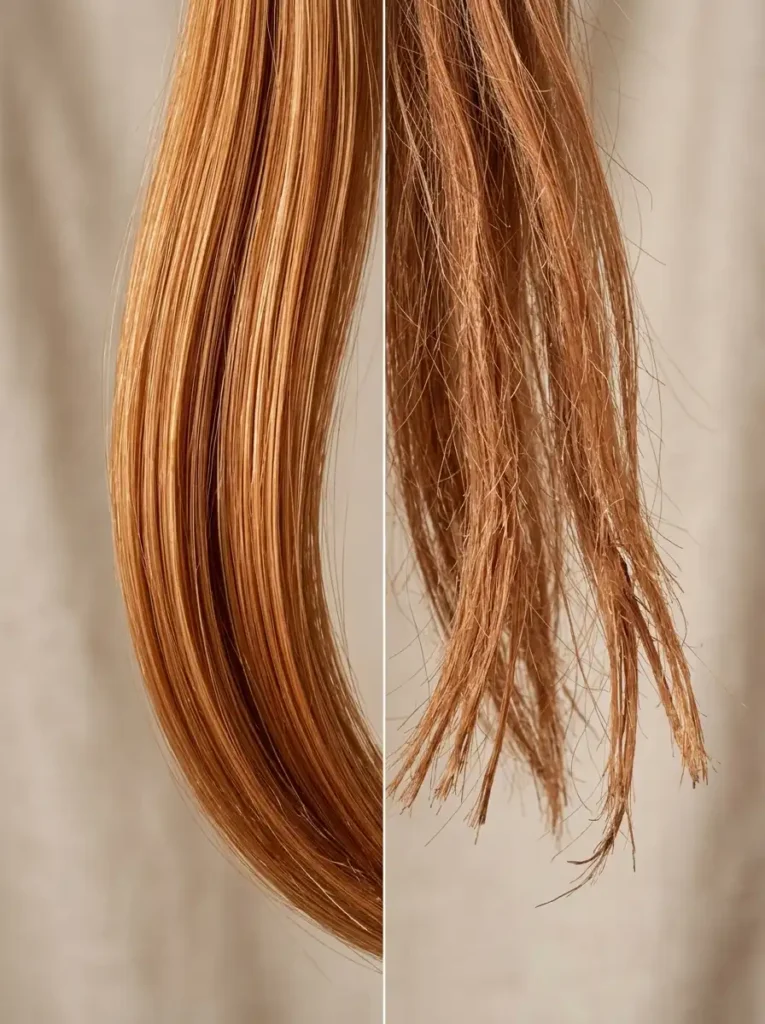
Hair coloring can cause damage because many dyes and lighteners open the outer layer of the hair, called the cuticle. This allows color to enter the hair shaft or natural pigment to be lifted. When the cuticle becomes weak, your hair may lose moisture and become easier to break.
Bleach is usually more damaging than regular dye because it removes pigment from the hair. The lighter you want to go, the more stress your hair may experience. This is why understanding how to prevent damage when coloring hair matters, especially if you want blonde, copper, red, or pastel shades.
Common signs include dryness, frizz, split ends, breakage, rough texture, dullness, and fast fading.
How to Prevent Damage When Coloring Hair Before You Start
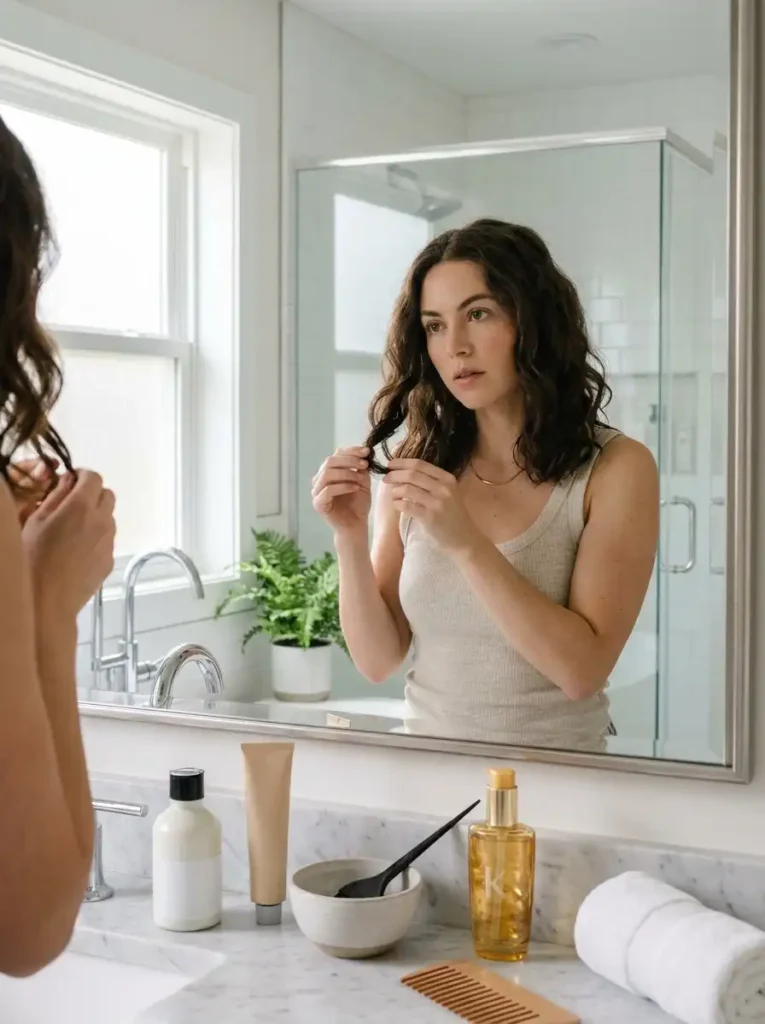
The first step in how to prevent damage when coloring hair is preparation. Do not apply dye to weak or unhealthy hair and expect perfect results. The condition of your hair before coloring can affect both the final color and the amount of damage.
Check your hair before dyeing. If it feels brittle, stretchy, gummy, or breaks easily, wait before coloring. Use a moisturizing conditioner and a weekly hair mask for a few weeks. You can also follow a simple best hair care routine to make your hair stronger before applying color.
If your ends are split or rough, get a small trim first.
1. Choose the Right Hair Color
A major part of how to prevent damage when coloring hair is choosing a color that matches your hair condition. Going darker or staying close to your natural shade is usually easier on the hair. Going much lighter often requires bleach, which can be harsher.
If your hair is fragile, try a gloss, demi-permanent color, or semi-permanent dye instead of a strong permanent color.
For softer shades, explore these natural hair colors.
2. Do Not Wash Your Hair Right Before Coloring
Another simple rule for how to prevent damage when coloring hair is to avoid washing your hair immediately before applying dye. Natural oils on your scalp can help protect your skin and hair during the coloring process.
For many people, coloring hair 24 to 48 hours after washing works best.
Avoid heavy product buildup; wash one or two days before if needed.
3. Always Do a Strand Test
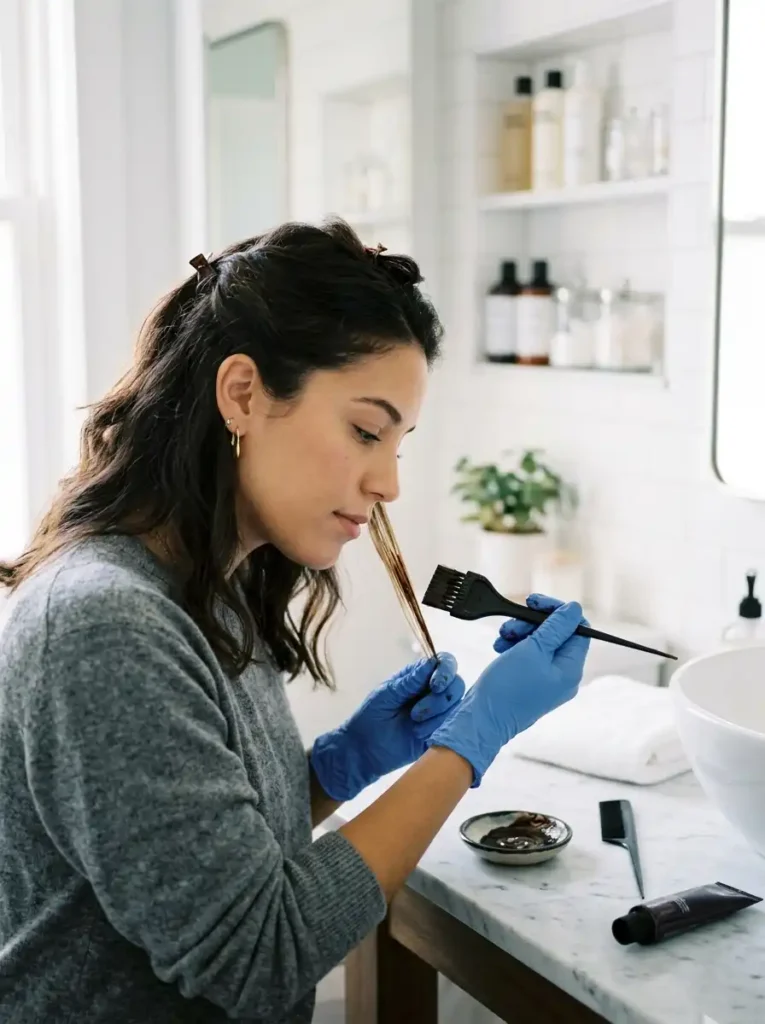
A strand test is an easy way to see how your hair will react to the dye. It helps you avoid unexpected results, especially if your hair has been colored, bleached, relaxed, or chemically treated before.
Apply a small amount of dye to a hidden section of hair. Follow the instructions, rinse it, dry it, and check the result. This can show you whether the color is too dark, too warm, uneven, or drying.
If you want to know how to prevent damage when coloring hair at home, never skip this step. A strand test can save you from a bad color result and unnecessary damage.
4. Follow the Instructions Exactly
Leaving dye or bleach on longer than recommended does not always give better color. In many cases, it makes hair drier and weaker.
Follow the mixing ratio, application method, processing time, and rinsing directions. Do not mix dye brands unless it is clearly safe.
This is one of the easiest ways to learn how to prevent damage when coloring hair because most mistakes happen when people guess instead of following the product directions.
5. Protect Your Ends
The ends of your hair are the oldest and most fragile part. They have already been exposed to brushing, washing, sun, heat styling, and previous color treatments.
If you are touching up roots, do not apply permanent dye to your ends every time. Apply the color to new growth first, then refresh the lengths only during the last few minutes if needed.
This helps prevent color buildup, dryness, and breakage.
6. Avoid Bleaching Too Often
Bleach can create beautiful blonde or bright color results, but it can also cause serious damage when used too often. Repeated bleaching can make hair dry, weak, stretchy, or easy to snap.
If you want to go lighter, do it slowly. Big color changes are safer in stages.
If you follow hair color trends, choose looks that match your hair health.
7. Avoid Too Many Chemical Treatments
Coloring, bleaching, relaxing, perming, and straightening treatments can all weaken your hair. Doing them too close together increases the risk of breakage.
A key part of how to prevent damage when coloring hair is giving your hair enough time between chemical services. If you recently relaxed, permed, or bleached your hair, wait before applying another strong treatment.
For textured hair, this 4C hair care routine can help.
8. Deep Condition After Coloring

After coloring, your hair needs moisture. Use the conditioner that comes with your dye if available. It helps smooth the cuticle and makes hair feel softer after rinsing.
Then use a weekly mask with shea butter, argan oil, aloe vera, amino acids, or keratin.
Moisture is essential if you want to understand how to prevent damage when coloring hair. For more tips, read how to prevent hair damage.
9. Wash Colored Hair Less Often
Washing too often can make color fade faster and can dry out your hair. After coloring, reduce how often you shampoo if possible.
Use lukewarm or cool water instead of hot water. Hot water can open the cuticle and make color fade more quickly. Choose shampoo and conditioner made for color-treated hair.
For freshness, check long-lasting hair color.
10. Limit Heat Styling
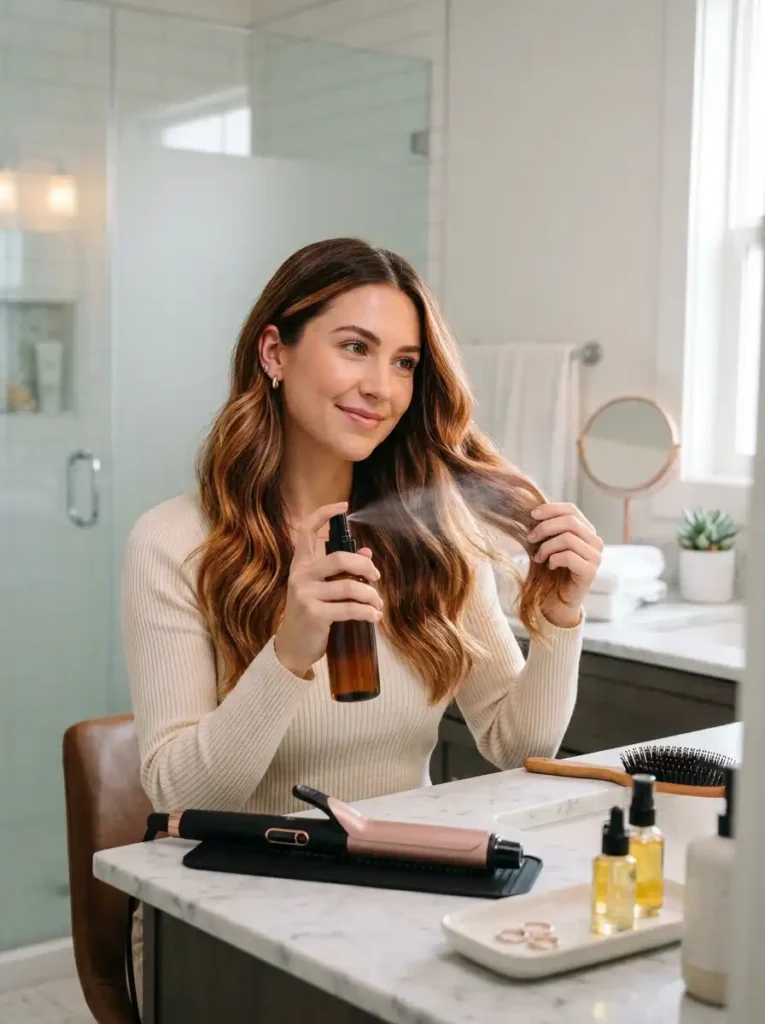
Colored hair can be more sensitive to heat. Flat irons, curling irons, hot brushes, and high-heat blow dryers can make dryness worse.
Use heat tools less often, and always apply a heat protectant first. Choose the lowest temperature that still works for your style.
If you curl often, see curling iron vs curling wand.
11. Protect Hair From Sun and Swimming
Sun, chlorine, and salt water can make colored hair dry and faded. Blonde, copper, red, and pastel shades may fade especially quickly.
Wear a hat, use leave-in conditioner, wet hair before swimming, and rinse after pool or beach days.
12. Keep a Gentle Aftercare Routine
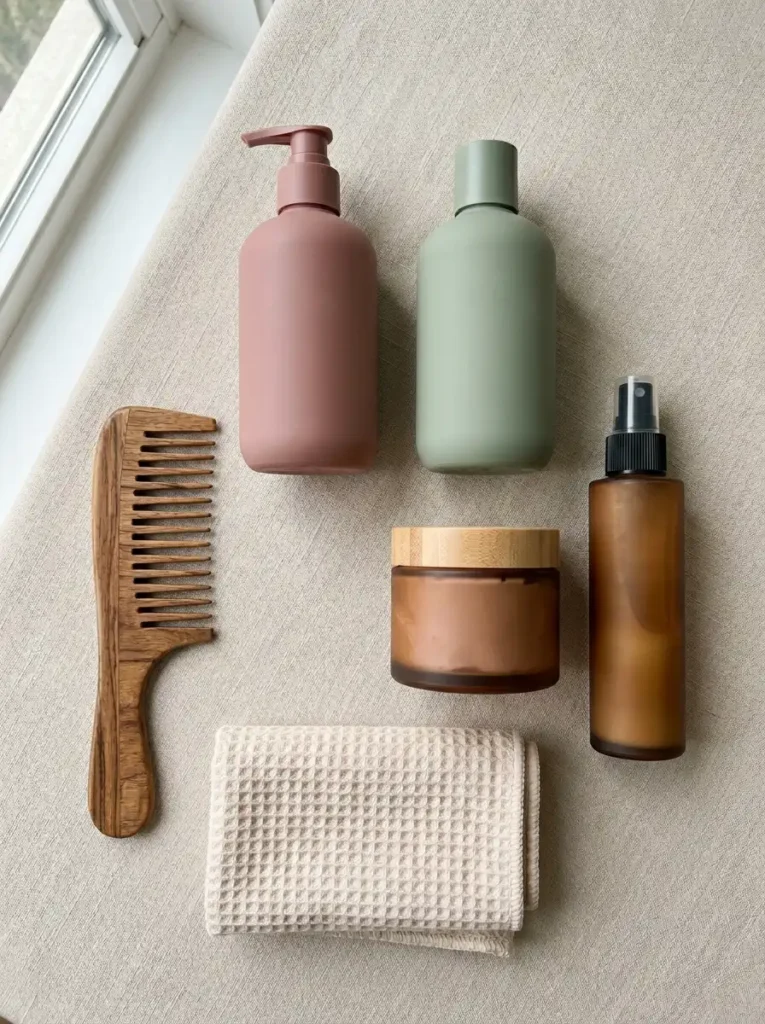
The final step in how to prevent damage when coloring hair is consistent aftercare. Use shampoo for color-treated hair, condition every time you wash, apply a weekly mask, use leave-in conditioner on dry ends, trim split ends, and avoid coloring too often.
This hair types guide can help you choose better products.
Common Mistakes to Avoid
If you want to know how to prevent damage when coloring hair, avoid skipping the strand test, leaving dye on too long, bleaching damaged hair, coloring the ends too often, washing too much, using hot water, and using heat tools without protection.
Most damage happens because of repeated small mistakes.
Final Thoughts
Learning how to prevent damage when coloring hair can help you enjoy beautiful color without ruining your hair health. Start with healthy hair, choose the right dye, follow the instructions, avoid over-processing, and use a gentle aftercare routine.
If your hair is already damaged, focus on moisture and repair before your next color change. With the right habits, you can keep your color fresh, shiny, and healthy-looking for longer.