

No More Backaches: 18 Best Back Exercises for a Stronger, Pain-Free Spine
In today’s sedentary world, finding the right back exercises isn’t just about aesthetics; it is a fundamental requirement for functional longevity. Whether you are an athlete or someone working a 9-to-5 desk job, your back is the literal pillar of your physical health. Low back pain affected over 619 million people globally in 2020, and…
In today’s sedentary world, finding the right back exercises isn’t just about aesthetics; it is a fundamental requirement for functional longevity. Whether you are an athlete or someone working a 9-to-5 desk job, your back is the literal pillar of your physical health. Low back pain affected over 619 million people globally in 2020, and that number is climbing. To stay ahead of the curve, you need more than just a list of movements—you need a strategic approach to spinal health.
This comprehensive guide moves beyond basic stretches. We are diving deep into the 18 most effective movements to bulletproof your posterior chain, improve your posture, and eliminate discomfort for good using proven back exercises
Table of Contents
The Science of a Resilient Back
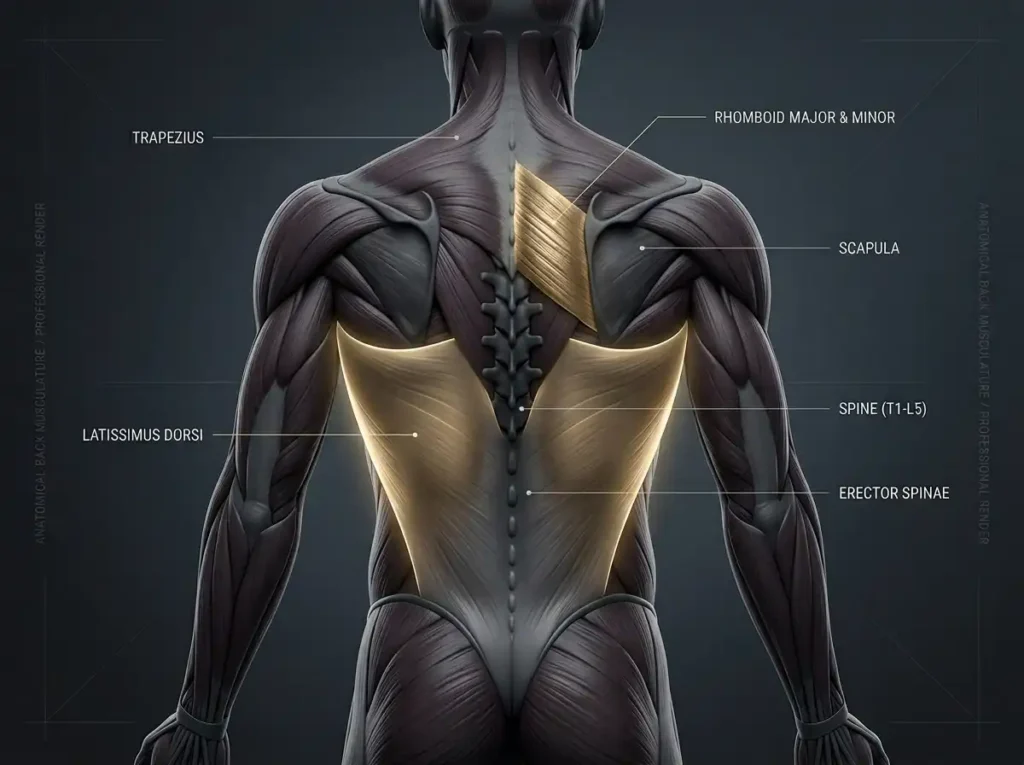
Before jumping into the movements, it is crucial to understand why specific training works. Strengthening your back involves targeting four primary muscle groups: the latissimus dorsi (width), rhomboids (mid-back thickness), trapezius (neck and upper back support), and the erector spinae.
When you perform targeted back muscle exercises, you aren’t just building muscle; you are creating a natural corset that protects your vertebrae. High-quality movements reduce the load on your intervertebral discs and keep your spine aligned during daily activities.
Phase 1: Essential Warmup and Mobility

Never jump into heavy lifting with a “cold” spine. You need to increase blood flow and synovial fluid in your joints before starting your back exercises.
1. Dynamic Cardio Start
Spend 5–10 minutes doing moderate cardio—brisk walking or light rowing. This awakens the neuromuscular pathways and preps the body for more intense movement.
2. Resistance Band Pull-Apart
This is the ultimate “posture corrector” and one of the simplest moves for beginners. Hold a band taut in front of you and pull it to your chest, squeezing your shoulder blades. It activates the rear delts and rhomboids.
- Rep Range: 2 sets of 15–20 reps.
3. Cat-Cow Stretch
If you are wondering what to do for back pain stiffness in the morning, this is it. On all fours, alternate between arching and rounding your back. This lubricates the spinal segments before you move on to heavier lifting.
Phase 2: Fundamental Back Exercises for Strength

These are the “Big Rocks” of back training. If you want a strong back, these specific movements must be in your weekly routine.
4. The Barbell Deadlift
The king of all strength movements. It engages the entire posterior chain from your calves to your traps.
- Pro-Tip: Keep the bar close to your shins. If the bar drifts away, the leverage shifts to your lower spine, increasing injury risk.
5. Traditional Lat Pulldowns
Perfect for those who haven’t mastered pullups yet. Among various back exercises, the lat pulldown is the most effective for width. Focus on pulling with your elbows rather than your hands to ensure maximum lat engagement.
6. Seated Cable Rows
This exercise provides constant tension. By sitting upright and pulling toward your abdomen, you target the middle lats. It’s a staple for building mid-back thickness and improved posture.
7. Pullups (The Gold Standard)

Nothing beats the pullup for upper body power. If you can’t do one yet, use a resistance band. This is one of the most rewarding back exercises for creating that “V-taper” look.
Phase 3: Targeted Lower Back Support

Most people struggle with the lumbar region. Finding the right exercises to strengthen lower back muscles is key to preventing that “heavy” feeling at the end of a long day.
8. Back Extensions (Hyperextensions)
Whether on a 45-degree bench or an exercise ball, this move isolates the erector spinae. It is a vital part of a regimen focused on the lower spine.
9. The Superman
A deceptively simple bodyweight move. Lying facedown and lifting your arms and legs simultaneously builds endurance in the small stabilizing muscles of the spine.
10. Good Mornings
A more advanced move. Hinging at the hips with a barbell on your back mimics the deadlift pattern but places a unique emphasis on the lower back.
11. Bird-Dog
This is a staple in physical therapy. It teaches you how to stabilize your core, making it one of the most functional back exercises for anyone looking for what’s good for back pain prevention.
Phase 4: Unilateral (Single-Arm) Movements

Muscular imbalances are a leading cause of back pain. If one side is stronger, it pulls the spine out of alignment. Unilateral training fixes this issue.
12. Single-Arm Dumbbell Row
By supporting yourself on a bench, you can lift heavier weights safely. These movements allow you to focus 100% of your effort on one side of the back at a time.
13. Quadruped Single-Arm Row
Performing a row on your hands and knees adds a massive stability challenge. This is excellent for “functional” strength.
14. Renegade Row
This is a “plank with a pull.” It forces your core to work overtime to prevent your hips from rotating, making it a top-tier back muscle exercise for athletes.
Phase 5: High-Performance Variations
To keep your progress from stalling, you need to introduce new stimulus into your routine.
15. Wide Dumbbell Bent-Over Row
By flaring your elbows slightly wider, you shift the focus from the lats to the rear deltoids and upper traps.
16. Suspended Rows (TRX)
Using your body weight on a suspension trainer allows for infinite scalability. The more horizontal you are, the harder these back exercises become.
17. Chest-Supported Row
By removing the need to stabilize your lower back, you can truly isolate the mid-back muscles. This is a very safe option for those with existing lumbar issues.
18. Dumbbell Pullover
This is a unique move that stretches the lats while under load. It’s an “old school” bodybuilding secret for expanding the ribcage and maximizing width.
Strategic Advice: What to Do for Back Pain

While staying active is vital, knowing what to do for back pain when it flares up is equally important. Strength training is a long-term fix, but immediate relief often comes from mobility.
- Active Recovery: Avoid total bed rest. Light movement keeps blood flowing to the injured tissues.
- Decompression: Simply hanging from a pullup bar for 30 seconds can create “space” between your vertebrae.
- Back Stretches for Lower Back Pain: Incorporate the “Child’s Pose” or the “Knee-to-Chest” stretch into your daily routine. These complement your back exercises perfectly.

How to Build Your Routine
Don’t try to do all 18 movements in one session. Instead, follow this “Balanced Back” framework:
- 1 Power Move: (e.g., Deadlifts) – 3 sets of 5–8 reps.
- 1 Vertical Pull: (e.g., Lat Pulldowns) – 3 sets of 10–12 reps.
- 1 Horizontal Pull: (e.g., Seated Rows) – 3 sets of 10–12 reps.
- 1 Stability Move: (e.g., Superman) – 2 sets of 15 reps.
The Bottom Line on Back Health
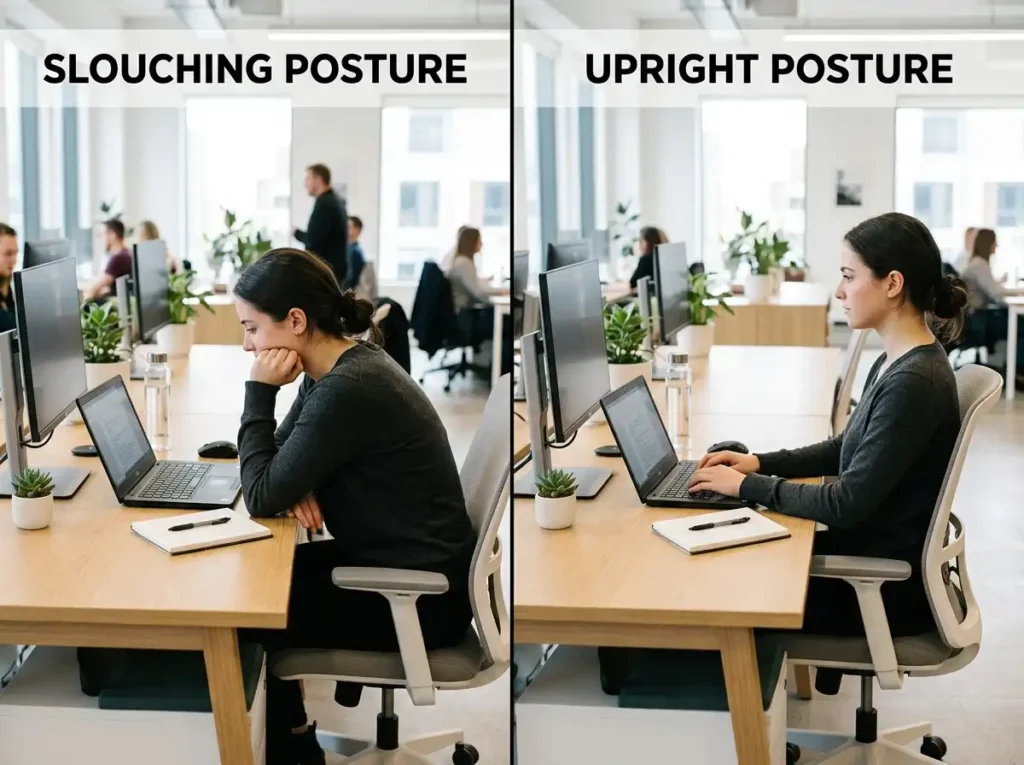
Consistency is the only “magic pill” for spinal health. Integrating these back exercises into your lifestyle will do more than just build muscle; it will improve your posture and significantly lower your risk of chronic injury.
Stop waiting for the pain to become unbearable. Start building your “natural armor” today by focusing on high-quality training and smart recovery. Your future self will thank you for the lack of backaches.