

Is Masseter Botox Worth It? The Ultimate Slimming Guide
When people think of neuromodulators, they usually envision smoothing out forehead lines or crow’s feet. However, masseter botox has emerged as one of the most transformative “off-label” treatments in aesthetic medicine. Whether you are struggling with the relentless discomfort of teeth grinding or searching for a way to achieve a more contoured, V-shaped jawline without…
When people think of neuromodulators, they usually envision smoothing out forehead lines or crow’s feet. However, masseter botox has emerged as one of the most transformative “off-label” treatments in aesthetic medicine. Whether you are struggling with the relentless discomfort of teeth grinding or searching for a way to achieve a more contoured, V-shaped jawline without surgery, understanding how this procedure works is the first step toward reaching your goals.
Table of Contents
What Exactly is Masseter Botox?
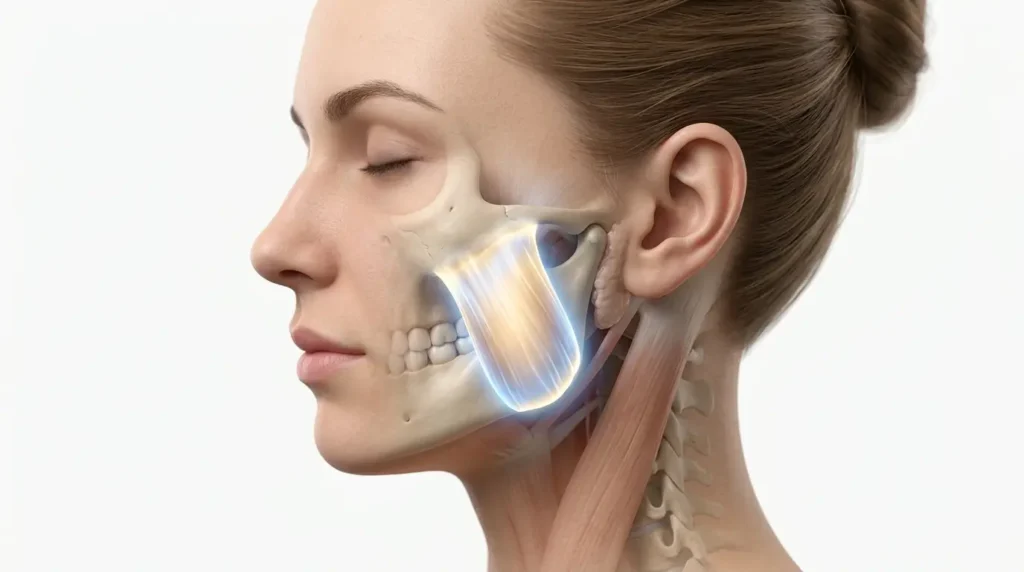
The masseter is one of the primary muscles responsible for mastication (chewing). It is a thick, powerful muscle that connects your lower jawbone to your cheekbone. For many individuals, this muscle can become hypertrophied—meaning it grows larger and stronger due to overuse, stress, or genetics.
When we perform masseter botox, we inject botulinum toxin type A directly into this muscle. The neurotoxin temporarily blocks the nerve signals that tell the muscle to contract. By reducing the intensity of these contractions, the muscle eventually relaxes and undergoes a process called disuse atrophy. This results in both functional relief from tension and a noticeable physical slimming of the lower face.
The Dual Power of Masseter Botox: Cosmetic and Medical Benefits
Most patients seek out this treatment for one of two reasons: they want to look better, or they want to feel better. The beauty of this procedure is that it often accomplishes both simultaneously.
Achieving the Perfect V-Shape Jawline
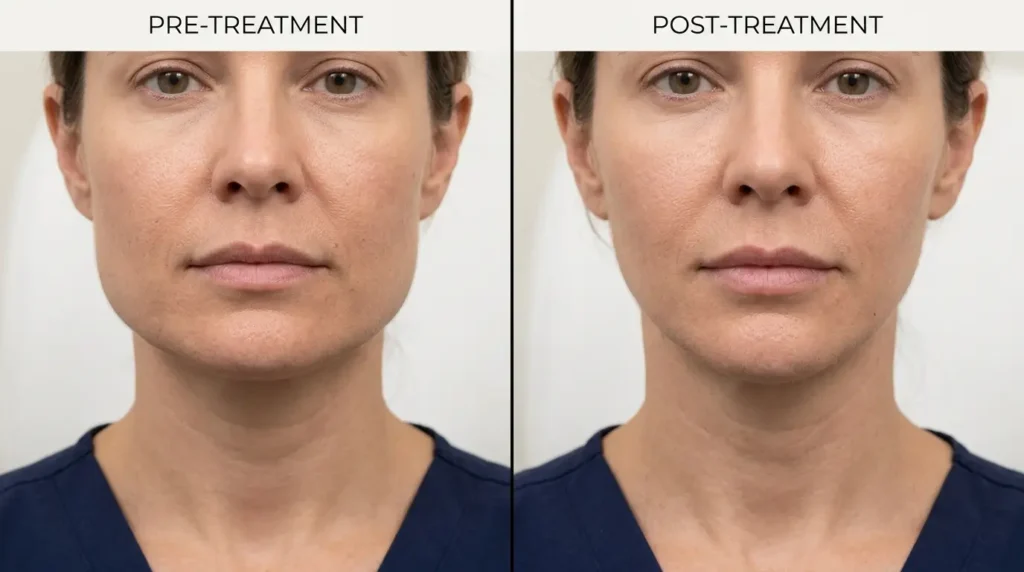
For those with a naturally “square” or “heavy” lower face, the cause is often an enlarged masseter rather than bone structure or fat. By relaxing the muscle, the outer corners of the jaw soften. This creates a slimmer, more feminine or refined profile. Unlike surgical jaw reduction, there is no bone shaving involved and zero downtime.
Treatment for Bruxism and TMJ Disorders
Chronic teeth grinding (bruxism) and Temporomandibular Joint (TMJ) disorders can cause debilitating pain. Standard treatments like night guards only protect the teeth; they don’t stop the grinding itself. Masseter botox tackles the root cause by preventing the muscle from clenching with such force.
- Significant reduction in tension headaches.
- Protection of tooth enamel from nocturnal grinding.
- Relief from “ear fullness” and clicking jaw sounds.
- Decreased facial soreness upon waking up.
What to Expect During Your Masseter Botox Procedure
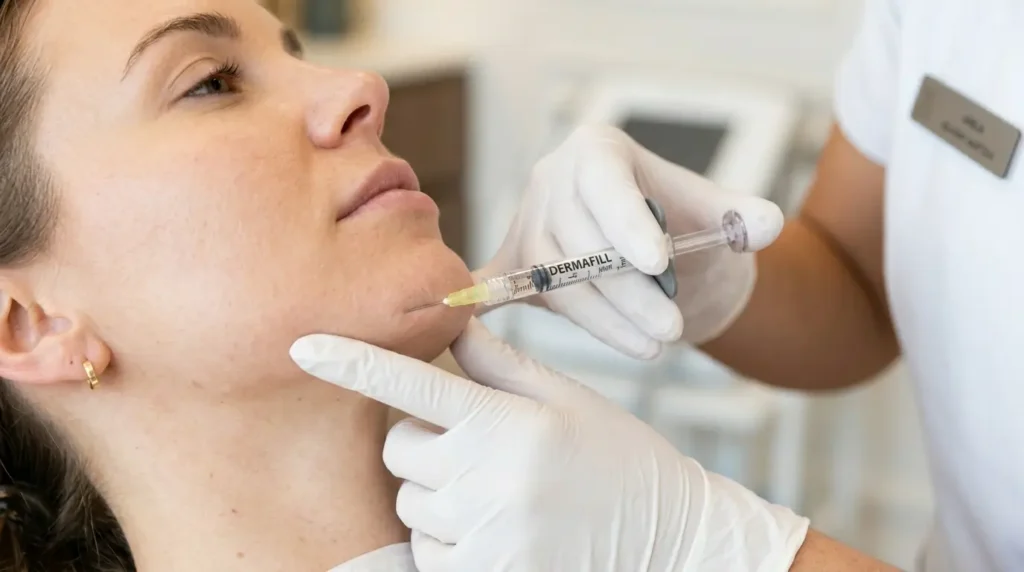
Understanding the “how” helps alleviate the anxiety many first-time patients feel. The procedure is remarkably quick, often referred to as a “lunchtime treatment.”
The Consultation Phase
A qualified practitioner will first assess the strength of your bite. They will ask you to clench your teeth so they can feel the thickness of the masseter muscle. This helps determine the exact dosage, measured in “units.” Typically, masseter treatments require more units than a forehead treatment—usually between 20 to 30 units per side, depending on the muscle’s size.
The Injection Process
The area is cleaned with medical-grade antiseptic. While the needles used are extremely thin, some clinics offer a topical numbing cream or ice to ensure total comfort. The injector will typically administer 3 to 5 small injections per side to ensure even distribution of the toxin throughout the muscle belly. The entire process takes less than 15 minutes.
Recovery and Aftercare: Protecting Your Investment
One of the reasons masseter botox is so popular is the lack of recovery time. You can walk out of the office and head straight back to work. However, to ensure the toxin stays exactly where it was placed, you must follow a few specific rules for the first 24 hours.
Do not rub or massage the jaw area, as this can push the liquid into neighboring muscles like the risorius, which controls your smile. It is also wise to avoid strenuous exercise or lying flat for four hours immediately following the injections. These simple precautions ensure the best possible aesthetic outcome and prevent temporary “smile drooping.”
How Long Does Masseter Botox Last?
Unlike the results of filler, which are immediate, Botox takes time to work. You will likely feel the muscle softening within 1 week, but the visual slimming effect takes longer. Since the muscle needs time to physically shrink (atrophy), you will see the peak “slimming” results at the 4 to 6-week mark.
The results typically last between 3 to 6 months. For patients using it for pain relief, the effects might wear off sooner as the nerves begin to signal the muscle again. For those focused on slimming, consistent treatments every 4 months can lead to long-term muscle reduction, eventually allowing for longer gaps between appointments.
Potential Side Effects and Safety Protocols
While masseter botox is considered highly safe when performed by an expert, it is a medical procedure with potential risks. Most side effects are mild and temporary, such as slight bruising or a dull ache at the injection site.
In rare cases, if the toxin spreads, it can affect the smile, making it look asymmetrical. This is why choosing a provider with deep anatomical knowledge of the facial muscles is non-negotiable. Furthermore, because the masseter is a chewing muscle, some patients may experience a slight “tiredness” when chewing very tough foods (like steak or chewy candy) shortly after the treatment. This sensation usually fades as the other chewing muscles compensate.
Masseter Botox vs. Jaw Fillers: Which Do You Need?
There is often confusion between these two treatments. While masseter botox reduces the volume of the muscle to slim the face, jaw fillers add volume to the bone line to create a sharp, chiseled edge.
- Choose Botox if your jaw looks “bulky” or wide due to muscle.
- Choose Fillers if your jawline is “weak” or sagging and needs more definition.
- Many patients choose a combination of both for a full “liquid facelift” effect.
Is Masseter Botox Right for You?
The ideal candidate for this procedure is someone who has noticeable masseter hypertrophy or clinical symptoms of TMJ. It is not recommended for individuals with very thin faces, as reducing the masseter volume could lead to a “hollowed” look that may appear aging.
If you are pregnant, breastfeeding, or have certain neuromuscular disorders like Myasthenia Gravis, you should avoid botulinum toxin treatments entirely. Always provide a full medical history to your practitioner before proceeding.
Final Thoughts on Masseter Botox
The rise of masseter botox represents a shift in how we view facial aesthetics—moving beyond just “fixing wrinkles” to structural reshaping and functional wellness. By addressing the jaw muscle, you aren’t just changing how you look in the mirror; you are potentially improving your quality of life by removing chronic pain and tension.