

Raspberry Leaf Tea: 11 Proven Benefits, Risks & Brewing Tips
Raspberry leaf tea has earned its reputation as a “woman’s herb” for centuries, but there is much more to this herbal infusion than just folklore. While most people are familiar with the sweet, tart profile of the raspberry fruit, the leaves of the Rubus idaeus plant contain a concentrated profile of polyphenols and minerals that…
Raspberry leaf tea has earned its reputation as a “woman’s herb” for centuries, but there is much more to this herbal infusion than just folklore. While most people are familiar with the sweet, tart profile of the raspberry fruit, the leaves of the Rubus idaeus plant contain a concentrated profile of polyphenols and minerals that offer a range of systemic health benefits. Whether you are looking to support your reproductive health or simply want a nutrient-dense alternative to your morning caffeine, understanding the science behind this powerful tea is essential.
In this comprehensive guide, we will dive deep into the clinical research, traditional uses, and vital safety precautions associated with raspberry leaf tea so you can make an informed decision for your wellness journey.
Table of Contents
What Exactly Is Raspberry Leaf Tea?
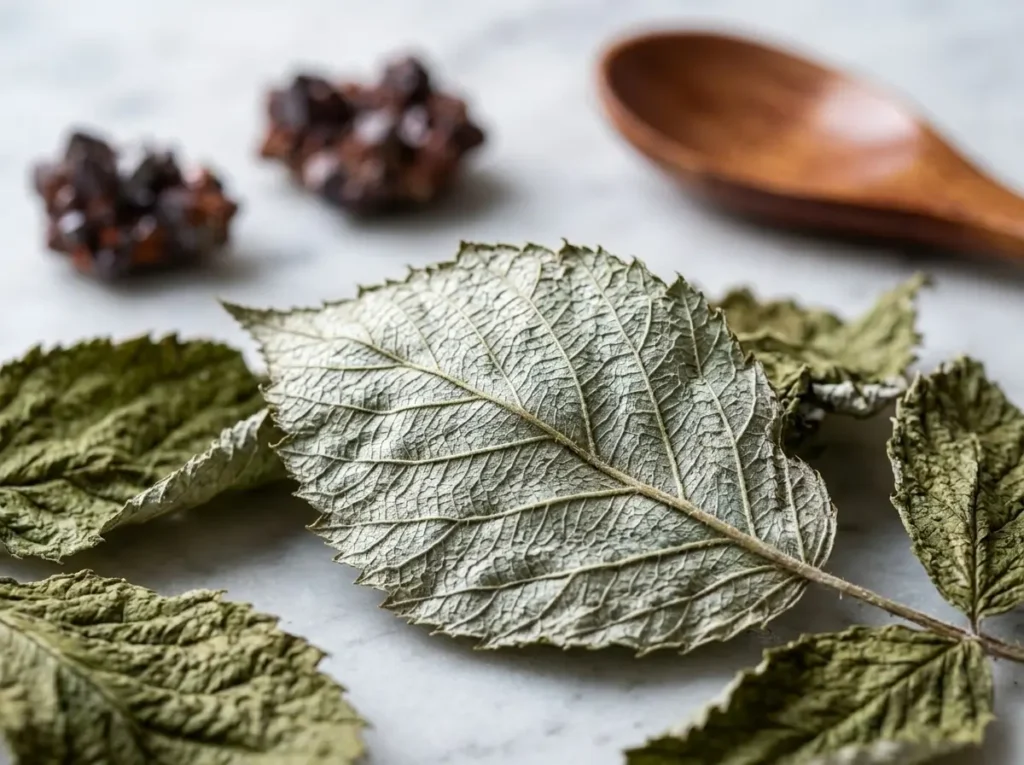
Unlike many fruit teas that are flavored with artificial syrups, authentic raspberry leaf tea is a true herbal infusion made from the dried leaves of the red raspberry plant. It doesn’t actually taste like raspberries; instead, it possesses a delicate, earthy flavor profile similar to a mild black tea or Earl Grey, but without the jitter-inducing caffeine.
The magic of the leaves lies in their chemical composition. They are packed with vitamins B and C, along with minerals like potassium, magnesium, zinc, iron, and phosphorus. This mineral density is one of the primary reasons the tea is frequently recommended for those experiencing hormonal fluctuations or physical fatigue.
The Science of Antioxidants in Red Raspberry Leaves
One of the most significant reasons to incorporate raspberry leaf tea into your diet is its high concentration of antioxidants. These compounds are your body’s primary defense against oxidative stress and cellular damage caused by free radicals.
The leaves are particularly rich in ellagitannins and anthocyanins. Specifically, the presence of ellagic acid has drawn interest in the scientific community for its potential anti-inflammatory and even anti-carcinogenic properties. While drinking tea is not a substitute for medical treatment, the regular consumption of these polyphenols helps reduce systemic inflammation, which is often the root cause of chronic digestive issues and skin concerns.
Is Raspberry Leaf Tea the Ultimate PMS Remedy?

For generations, midwives and herbalists have suggested raspberry leaf tea for easing the discomforts of the menstrual cycle. The tea contains a specific alkaloid called fragarine.
Fragarine is known to help tone and tighten the muscles in the pelvic area, specifically the uterine walls. By promoting a more “coordinated” contraction of the uterus, many users report a significant reduction in the intensity of menstrual cramps. Furthermore, the high iron content in the leaves can be particularly beneficial for those who experience heavy periods and may be at risk for minor anemia-related fatigue.
Beyond just physical cramping, the magnesium and B-vitamins in the tea act as natural mood stabilizers, potentially helping to mitigate the irritability and bloating often associated with Premenstrual Syndrome (PMS).
Raspberry Leaf Tea and Pregnancy: What You Need to Know
The most common search intent for raspberry leaf tea revolves around its use during the second and third trimesters of pregnancy. This is where the tea’s reputation is strongest, yet it is also where the most caution is required.
Shortening the Duration of Labor
A notable study published in the Journal of Midwifery and Women’s Health indicated that women who consumed raspberry leaf tea in the final weeks of pregnancy had a shorter second stage of labor compared to those who didn’t. The theory is that the “toning” effect of fragarine allows the uterus to work more efficiently during contractions, potentially reducing the need for medical interventions like forceps or vacuum extractions.
Reducing Birth Interventions
Clinical observations have suggested that those who drink the tea regularly starting around week 32 of pregnancy may have a lower likelihood of requiring an artificial rupture of membranes or a Cesarean section. However, it is crucial to remember that this tea does not induce labor; rather, it prepares the body for the natural process when it eventually begins.
How to Brew the Perfect Cup for Maximum Potency
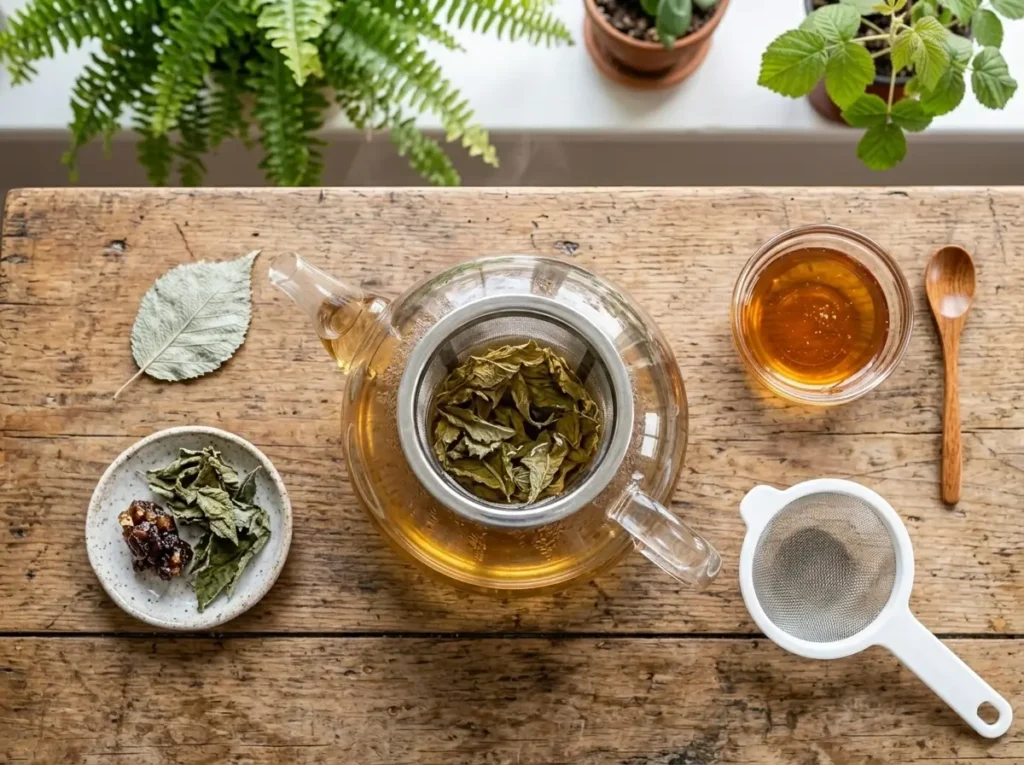
To get the most out of your raspberry leaf tea, you cannot treat it like a standard tea bag that you dunk for thirty seconds. Since we are looking to extract minerals and alkaloids, the “steeping” time is vital.
For a medicinal-strength infusion, use 1 tablespoon of loose-leaf dried raspberry leaves per cup of boiling water. Cover the cup or teapot to prevent the volatile oils from escaping with the steam. Let it steep for at least 10 to 15 minutes. If you are looking for a more concentrated “tonic,” some herbalists recommend steeping it for up to 4 hours or overnight in a refrigerated jar, then straining it.
Potential Side Effects and Safety Precautions
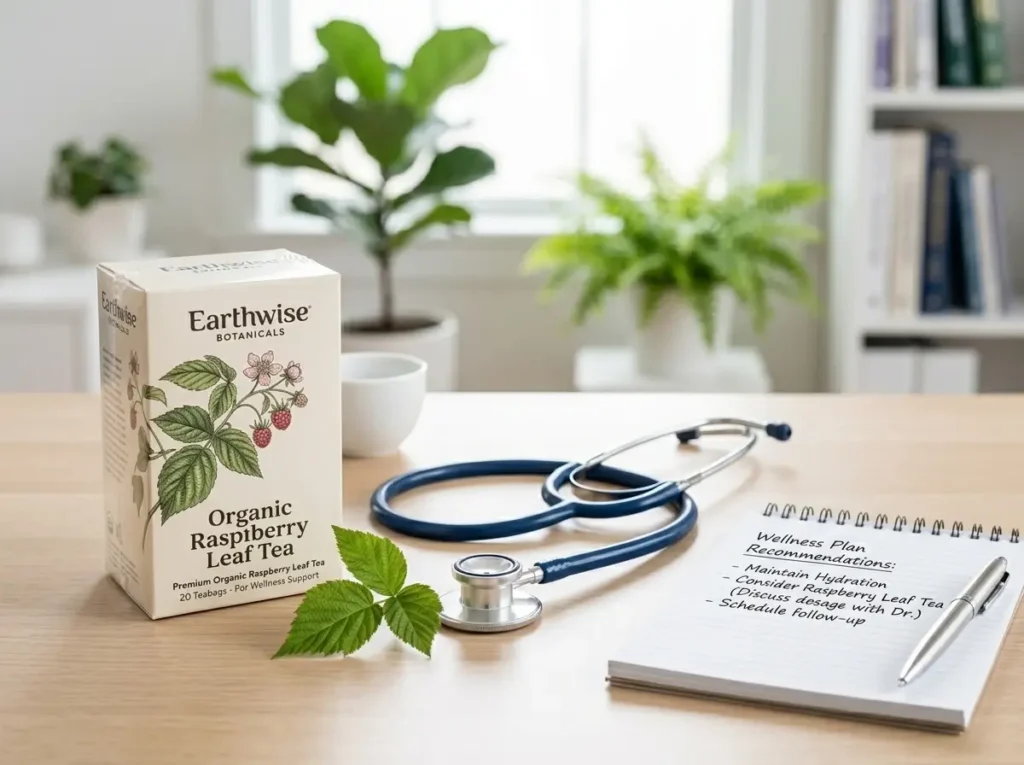
While generally recognized as safe (GRAS) by most health organizations, raspberry leaf tea is a potent herb and should be treated with respect.
- Laxative Effects: Because of its muscle-relaxing properties, some people may experience loose stools if they consume too much too quickly.
- Diuretic Properties: The tea can increase urination, so ensure you are staying hydrated with plenty of plain water alongside your herbal intake.
- Braxton Hicks: Some pregnant women report an increase in “practice contractions” after drinking the tea. If these become intense or painful, it is a sign to reduce your intake or stop entirely.
- Timing is Everything: Most medical professionals advise against drinking this tea during the first trimester of pregnancy to avoid any unnecessary uterine stimulation during the most sensitive phase of fetal development.
Who Should Avoid This Tea?
There are certain individuals who should exercise extra caution or avoid raspberry leaf tea altogether. If you have a history of very fast labors (precipitate labor), have a scheduled C-section for medical reasons, or are carrying twins, the uterine-toning effects might not be ideal for your situation. Always consult with a healthcare provider or a certified midwife before adding a new herbal supplement to your prenatal routine.
Beyond Pregnancy: Other Surprising Benefits
While often pigeonholed into the “maternity” category, the benefits of raspberry leaf tea extend to a much wider demographic.
Its astringent properties make it an excellent gargle for those suffering from sore throats or gingivitis. Additionally, because it is so high in tannins, it can be used topically or as a wash for minor skin irritations and rashes. In the digestive tract, these tannins help to soothe the lining of the stomach, making it a gentle remedy for mild cases of diarrhea or stomach upset.
The Nutritional Breakdown: What’s in Your Cup?
To understand why this tea is so effective, we have to look at the “ingredients” provided by nature. Unlike synthetic vitamins, the minerals in raspberry leaf tea are highly bioavailable, meaning your body can absorb and utilize them with ease.
- Magnesium: Essential for muscle relaxation and nervous system health.
- Potassium: Helps regulate fluid balance and blood pressure.
- Vitamin C: Boosts the immune system and aids in the absorption of the tea’s iron content.
- Calcium: Supports bone health and plays a role in muscle contractions.
Making the Switch: Replacing Your Daily Coffee
If you are trying to reduce your caffeine intake, raspberry leaf tea is one of the best substitutes. Because it has a similar “mouthfeel” to black tea—thanks to the tannins—you won’t feel like you are drinking flavored water. It provides a grounded, steady energy by nourishing the adrenal glands rather than stimulating them with caffeine.
Final Verdict on Raspberry Leaf Tea
The evidence for raspberry leaf tea is a compelling blend of traditional wisdom and emerging modern science. While it is not a “magic bullet” that guarantees a painless birth or an instant cure for PMS, its dense nutrient profile makes it a stellar addition to a healthy lifestyle. By focusing on quality sourcing—preferably organic, loose-leaf varieties—and following proper steeping protocols, you can harness the full potential of this ancient herbal remedy.
Whether you are preparing for motherhood or simply seeking a way to balance your hormones naturally, raspberry leaf tea remains one of nature’s most supportive gifts for the human body.