
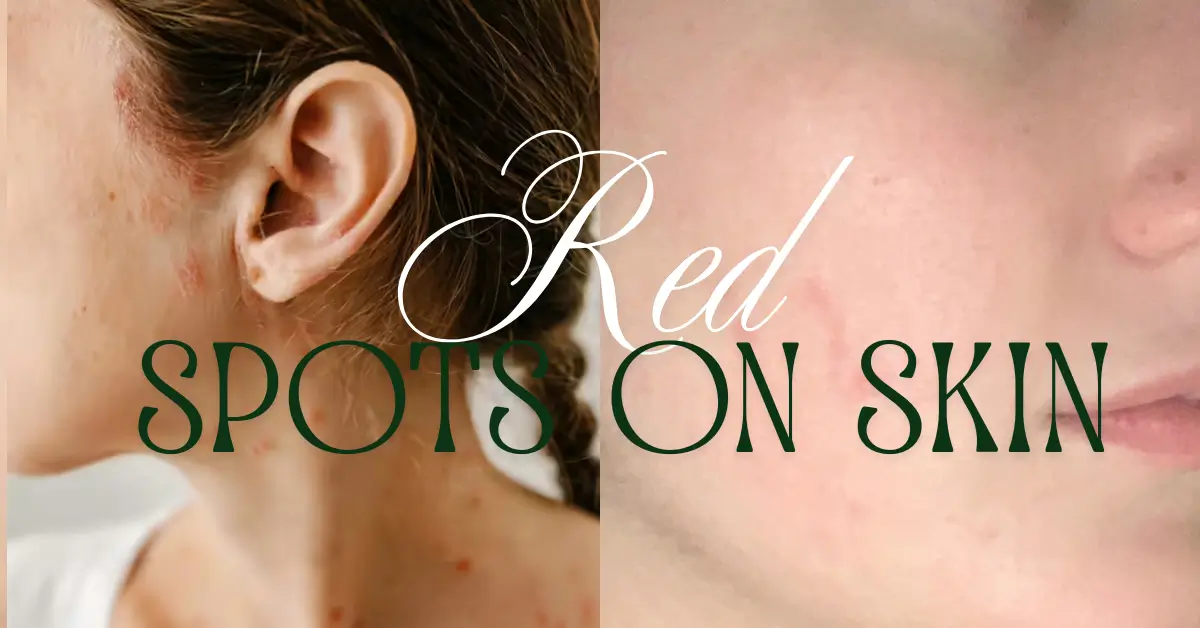
Red Spots On Skin: Expert Treatment Guide (2026)
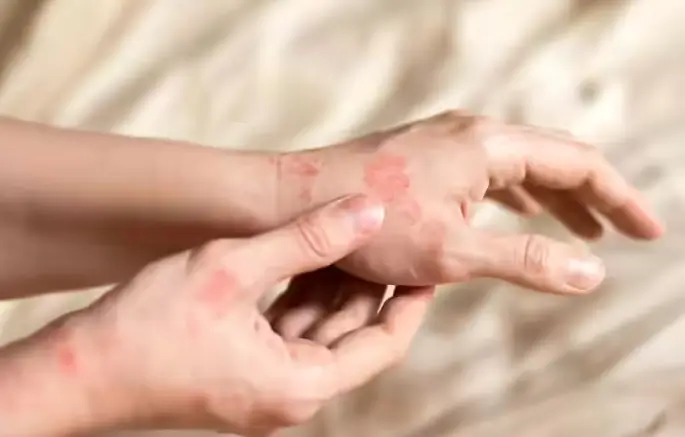
Discovering mysterious red spots on skin can be alarming. Whether they appeared overnight on your arms, face, or legs, understanding what’s causing red spots on skin is crucial for effective treatment. This guide covers everything about red spots on skin—from common triggers like allergies to serious conditions requiring immediate care. You’ll learn proven remedies for…
Discovering mysterious red spots on skin can be alarming. Whether they appeared overnight on your arms, face, or legs, understanding what’s causing red spots on skin is crucial for effective treatment.
This guide covers everything about red spots on skin—from common triggers like allergies to serious conditions requiring immediate care. You’ll learn proven remedies for red spots on skin, warning signs, and prevention strategies.
What Are Red Spots On Skin?
Red spots on skin appear as tiny dots, raised bumps, or flat patches. They range from harmless conditions like cherry angiomas to infections requiring medical attention. Most red spots on skin resolve within days with proper care.
Types of red spots on skin you should know:
Petechiae are pinpoint red spots on skin smaller than 2mm that don’t fade when pressed, indicating bleeding under the skin.
Papules are raised red spots on skin you can feel, common in acne and insect bites.
Macules are flat red spots on skin that don’t rise above skin level, typical in heat rash.
Understanding your specific type of red spots on skin helps determine the right treatment approach.
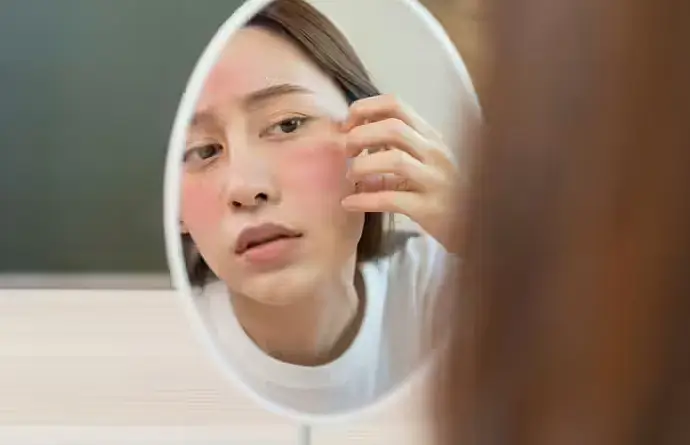
12 Common Causes of Red Spots On Skin
1. Heat Rash
Heat rash creates clusters of tiny red spots on skin when sweat ducts become blocked. These red spots on skin typically appear on the neck, chest, back, and groin areas.
Symptoms: Prickly itching, small blisters, reduced sweating in affected areas
Quick relief: Move to cool spaces, wear loose cotton clothing, and gently exfoliate blocked pores.
Mild red spots on skin from heat rash clear within 24 hours once you cool down. Severe cases may need antibiotics.
2. Contact Dermatitis
Exposure to irritants produces itchy red spots on skin within 1-3 days. Common triggers include nickel jewelry, fragrances, latex, poison ivy, and cleaning chemicals.
Symptoms: Intense itching, fluid-filled blisters, dry cracked skin, burning sensation, darkened patches
Treatment: Identify and avoid triggers. Apply 1% hydrocortisone cream for mild cases. Persistent red spots on skin need prescription corticosteroids.
Take photos of new products you use. If red spots on skin develop, you’ll have a record to identify the culprit.
3. Eczema (Atopic Dermatitis)
Eczema creates intensely itchy red spots on skin that can ooze or thicken. It affects over 31 million Americans and is a leading cause of chronic red spots on skin.
Common triggers:
- Dry winter air
- Harsh soaps and detergents
- Wool or synthetic fabrics
- Stress and anxiety
- Food allergies (dairy, eggs, nuts)
Management: Apply moisturizer within 3 minutes after bathing, use gentle cleansers, take antihistamines for severe itching, and consider phototherapy for widespread red spots on skin.
Studies show maintaining skin hydration reduces red spots on skin flares by 50%.
4. Keratosis Pilaris
These tiny red spots on skin around hair follicles create rough, sandpaper-like texture. The condition occurs when keratin builds up and plugs follicles.
Common locations: Upper arms, thighs, buttocks, sometimes face
Effective treatments:
- Salicylic acid (6%) or glycolic acid exfoliation
- Urea cream (20%) to soften skin
- Retinoid creams for cell turnover
- Chemical peels for stubborn cases
Never pick at bumps as it causes inflammation and scarring. This genetic condition affecting red spots on skin impacts 40% of adults.
5. Cherry Angiomas
These harmless red spots on skin are clusters of blood vessels affecting 75% of people over 75. They appear as smooth, dome-shaped bumps ranging from pinpoint to 5mm.
Where they form: Trunk, upper arms, upper legs (rarely on face, hands, feet)
Removal options: Electrocauterization with local anesthesia for small red spots on skin. Larger ones require shave excision.
Most people remove them for cosmetic reasons or if they bleed frequently from injury.
6. Rosacea
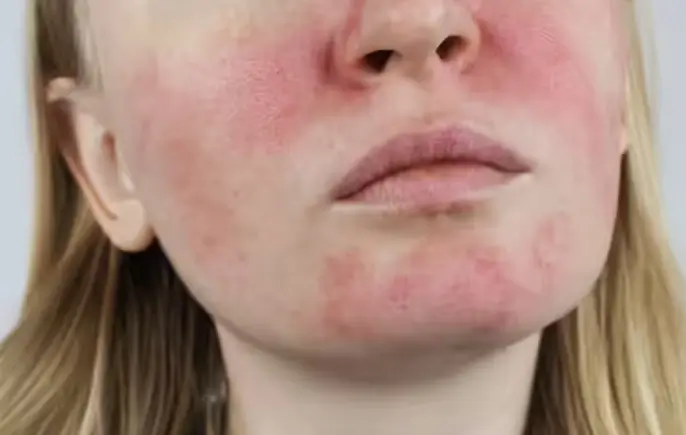
Rosacea creates persistent red spots on skin on the face, visible blood vessels, and acne-like bumps. It affects 16 million Americans.
Common triggers:
- Hot beverages and spicy foods
- Alcohol, especially red wine
- Sun exposure without protection
- Stress and emotional factors
- Harsh skincare products
- Strenuous exercise
Medical treatments: Topical metronidazole, azelaic acid, or ivermectin cream. Oral antibiotics for inflammatory red spots on skin. Laser therapy targets visible blood vessels.
Daily care includes gentle cleansers, fragrance-free moisturizers, and SPF 30+ sunscreen.
7. Psoriasis
Psoriasis causes raised red spots on skin covered with silvery scales. This autoimmune condition affects 2-3% globally and accelerates skin cell production.
Common locations: Elbows, knees, scalp, lower back
Other varieties:
- Guttate: Small drop-shaped lesions
- Inverse: Smooth patches in skin folds
- Pustular: Pus-filled bumps
- Erythrodermic: Widespread redness and shedding
Treatment ladder:
- Topical corticosteroids and vitamin D analogs
- Phototherapy (UV light treatment)
- Systemic medications (methotrexate)
- Biologic drugs targeting immune pathways
Newer biologics achieve 75-90% clearance of red spots on skin in many patients.
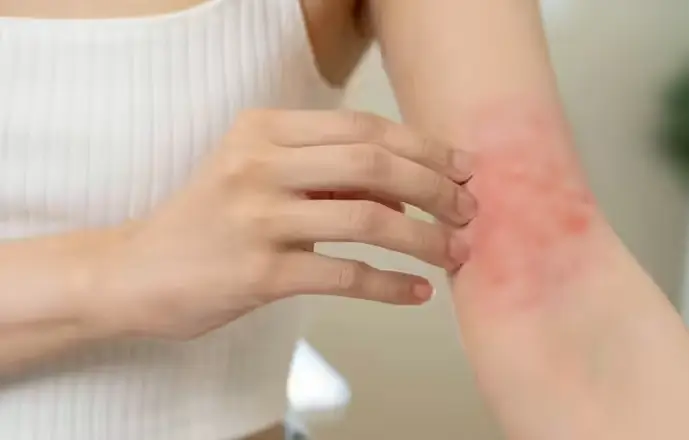
8. Ringworm
Ringworm is a contagious fungal infection creating circular red spots on skin with clearer centers.
How you catch it:
- Direct contact with infected person or animal
- Contaminated towels, clothing, or bedding
- Walking barefoot in locker rooms or pools
- Contact with infected soil
Distinctive features: Well-defined circular shape, raised scaly border, clearer center, mild to moderate itching
Treatment: Apply antifungal cream (clotrimazole, terbinafine) twice daily for 2-3 weeks. Continue one week after red spots on skin disappear. Wash all bedding in hot water.
Prevention involves keeping skin clean and dry, avoiding shared items, and wearing shower shoes in communal areas.
9. Petechiae
These tiny red spots on skin indicate bleeding from broken capillaries and don’t blanch when pressed.
Possible causes:
- Straining from intense coughing, vomiting, or childbirth
- Injuries or trauma
- Blood disorders (low platelet count)
- Infections like meningitis or endocarditis
- Certain medications (aspirin, blood thinners)
- Leukemia or other cancers
Emergency signs requiring immediate care:
- Rapid spreading across body
- Fever above 101°F (38.3°C)
- Severe headache or stiff neck
- Difficulty breathing
- Confusion or altered consciousness
Never ignore unexplained red spots on skin like petechiae, especially with fever or systemic symptoms.
10. Drug Reactions
Medications can trigger various red spots on skin within days of starting new drugs. These range from mild rashes to life-threatening conditions.
Common culprits:
- Antibiotics (penicillin, sulfonamides)
- NSAIDs (ibuprofen, naproxen)
- Anticonvulsants
- Allopurinol (gout medication)
- Chemotherapy drugs
Types of reactions:
- Maculopapular: Flat areas with small bumps (most common)
- Urticarial: Raised, itchy welts (hives)
- Fixed drug eruption: Same spot becomes red each time
- Severe: Stevens-Johnson syndrome (medical emergency)
Management: Stop suspected medication after consulting your doctor. Use cool compresses and antihistamines for mild red spots on skin. Severe reactions require hospitalization.
11. Meningitis – Medical Emergency
Meningitis creates distinctive red spots on skin that signal a potentially fatal infection affecting brain and spinal cord membranes.
Glass test: Press clear glass against the red spots on skin. If they don’t fade under pressure, seek emergency care immediately.
Additional symptoms:
- Sudden high fever
- Severe, persistent headache
- Stiff neck (unable to touch chin to chest)
- Sensitivity to bright lights
- Confusion or drowsiness
- Nausea and vomiting
Treatment urgency: Bacterial meningitis can cause death within hours. Any suspected case requires immediate ER evaluation.
The meningococcal vaccine protects against common bacterial strains.
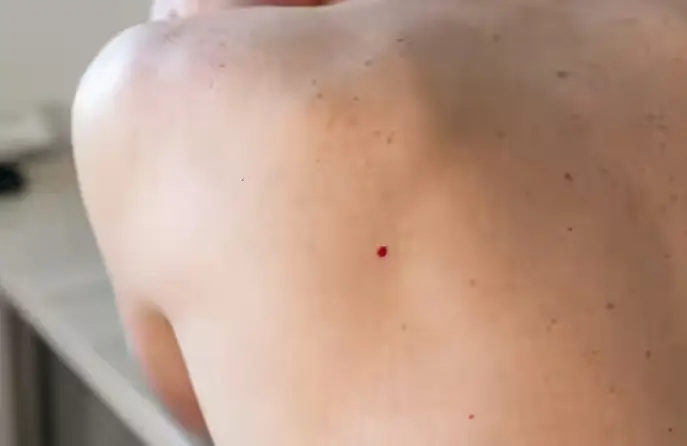
12. Leukemia Cutis
When leukemia cells infiltrate the skin, they create red spots on skin, purple bumps, or brown patches. This occurs in 3-5% of leukemia patients.
Appearance variations:
- Small raised bumps
- Flat patches
- Ulcerated lesions
- Nodules under the skin
Associated symptoms:
- Easy bruising
- Persistent fatigue
- Frequent infections
- Unexplained weight loss
- Swollen lymph nodes
- Night sweats
Diagnosis: Skin biopsy confirms leukemia cells. Blood tests show abnormal white blood cell counts.
Early detection significantly improves outcomes. Never dismiss persistent, unexplained red spots on skin.
5 Proven Home Remedies for Red Spots On Skin
1. Colloidal Oatmeal Baths
Oatmeal contains compounds called avenanthramides that reduce inflammation and calm irritated skin. Clinical studies confirm effectiveness for eczema, psoriasis, and general itching.
Preparation:
- Grind 1 cup plain oats into fine powder
- Pour into lukewarm bathwater while filling
- Soak for 15-20 minutes
- Pat gently dry—don’t rub
- Apply moisturizer within 3 minutes
Best for: Widespread rashes, eczema flares, poison ivy reactions
Frequency: Once daily during active flares
Hot water strips protective oils and worsens inflammation, so stick with lukewarm.
2. Cold Compress Therapy
Cooling reduces swelling and temporarily blocks itch signals. Research shows cold therapy provides significant relief for psoriasis and atopic dermatitis.
Method:
- Wrap ice cubes in clean cloth (never apply directly)
- Hold against affected area for 15 minutes
- Remove for 45 minutes before reapplying
- Pat dry and moisturize after each session
Best for: Acute inflammation, severe itching, insect bite reactions
Never exceed 20 minutes per session to avoid skin damage.
3. Pure Aloe Vera Gel
Aloe vera contains anti-inflammatory compounds, antioxidants, and antimicrobial properties. Studies demonstrate effectiveness for mild acne, psoriasis, and burn healing.
Application:
- Wash affected area with gentle cleanser
- Pat completely dry
- Apply thick layer of 100% pure aloe vera gel
- Allow to absorb (15-20 minutes)
- Reapply 2-3 times daily
Best for: Sunburn, minor burns, dry irritated patches, acne-related redness
Choose products with aloe vera as the first ingredient, or use fresh gel directly from the plant.
4. Virgin Coconut Oil
Coconut oil’s medium-chain fatty acids strengthen skin barrier function and reduce inflammation. Clinical trials show significant improvement for atopic dermatitis and xerosis.
How to use:
- Start with clean, dry skin
- Warm small amount between palms
- Gently massage into affected areas
- Apply twice daily (morning and bedtime)
- Allow 10 minutes to absorb before dressing
Best for: Eczema, extremely dry skin, keratosis pilaris
Use organic, cold-pressed, virgin coconut oil. Refined versions lose beneficial compounds.
If you’re acne-prone, test on a small area first as it may clog facial pores.
5. Apple Cider Vinegar Dilution
Diluted apple cider vinegar restores skin’s natural pH and has antimicrobial properties. However, it must be properly diluted to avoid chemical burns.
Safe preparation:
- Mix 1 part vinegar with 3 parts water
- Soak clean cotton ball in solution
- Dab gently on affected areas
- Leave for 5-10 minutes
- Rinse with cool water
- Moisturize immediately
Best for: Mild fungal infections, pH imbalance-related irritation
Critical warning: Never use undiluted. Never apply to open wounds or severely inflamed skin.
Discontinue if you experience burning, increased redness, or irritation.
Medical Treatments: What Doctors Recommend
Topical Medications
Corticosteroids reduce inflammation and itching. They range from mild (1% hydrocortisone) to ultra-potent (clobetasol). Used for eczema, psoriasis, and contact dermatitis.
Calcineurin inhibitors (tacrolimus, pimecrolimus) work for sensitive areas like the face with fewer side effects for long-term use.
Retinoids are vitamin A derivatives that normalize skin cell production. Effective for psoriasis and keratosis pilaris.
Antifungal creams like clotrimazole, miconazole, and terbinafine eliminate fungal infections.
Oral Medications
Antihistamines block histamine to reduce allergic reactions and itching. Common options include cetirizine, loratadine, and fexofenadine.
Antibiotics treat bacterial infections and reduce inflammation in rosacea and severe acne.
Immunosuppressants like methotrexate and cyclosporine control autoimmune conditions.
Biologics are targeted therapies that block specific immune pathways. Revolutionary for moderate-to-severe psoriasis and eczema.
Advanced Procedures
Phototherapy uses controlled UV light exposure to slow skin cell turnover. Effective for psoriasis and eczema.
Laser treatment targets visible blood vessels in rosacea and cherry angiomas.
Cryotherapy freezes and removes benign growths.
Electrocauterization burns away cherry angiomas and other vascular lesions.
Emergency Signs: When to See a Doctor Immediately
Seek urgent medical care if you experience:
Red flag symptoms:
- Rash spreading rapidly across your body
- Non-blanching marks (don’t fade when pressed)
- High fever above 101°F (38.3°C)
- Severe headache with neck stiffness
- Difficulty breathing or swallowing
- Swelling of face, lips, or tongue
- Blisters covering large areas
- Signs of infection (pus, warmth, red streaking)
Chronic concerns requiring evaluation:
- Marks persisting beyond 2 weeks despite treatment
- Increasing pain, swelling, or spreading
- Spots that bleed easily
- Changes in existing moles
- Unexplained weight loss or fatigue
- Joint pain accompanying skin changes
When to schedule a routine appointment:
- Uncertain about diagnosis
- Home remedies provide no improvement after 48-72 hours
- Cosmetic concerns about appearance
- Recurring pattern of outbreaks
- Condition affecting quality of life
Don’t ignore your instincts. If something feels wrong, get it checked.
Prevention Strategies That Work
Daily Habits
Moisturize religiously: Apply fragrance-free moisturizer within 3 minutes after bathing to lock in hydration.
Choose gentle products: Avoid soaps with sulfates, fragrances, or dyes. Look for “sensitive skin” formulations.
Sun protection: Wear broad-spectrum SPF 30+ daily. UV exposure triggers many skin conditions.
Stress management: Chronic stress worsens eczema, psoriasis, and rosacea. Practice meditation, yoga, or deep breathing.
Hydration: Drink 8+ glasses of water daily to maintain skin moisture from within.
Environmental Controls
Humidify your home: Use humidifiers in winter when heating dries indoor air. Aim for 30-50% humidity.
Cool down properly: Take lukewarm showers instead of hot baths. Limit shower time to 10 minutes.
Wear breathable fabrics: Choose cotton over synthetic materials. Loose clothing prevents friction and allows air circulation.
Wash new clothes: Remove manufacturing chemicals before first wear to prevent reactions.
Trigger Avoidance
Keep a symptom diary: Record flare-ups alongside foods, products, weather, and stress levels to identify patterns.
Patch test new products: Apply small amounts to inner forearm 24-48 hours before full use.
Limit alcohol and spicy foods: Common triggers for rosacea and facial flushing.
Manage allergies: Address underlying allergies that may manifest as skin reactions.
Frequently Asked Questions
Can red spots be a sign of cancer?
Most marks are benign, but some skin cancers present as red or pink patches. Melanoma occasionally appears red instead of dark brown. Leukemia cutis creates bumps when cancer cells infiltrate skin. Schedule a dermatology appointment for any spot that changes in size, shape, color, or texture—especially if it bleeds easily or doesn’t heal.
How long do they typically last?
Timeline varies by cause. Heat rash may clear within 24 hours. Allergic reactions typically improve within 1-2 weeks after removing the trigger. Chronic conditions like eczema and psoriasis require ongoing management. Fungal infections need 2-4 weeks of treatment. If marks persist beyond 2 weeks without improvement, consult a healthcare provider.
Are they contagious?
Depends on the cause. Ringworm is highly contagious through direct contact or contaminated surfaces. Viral infections causing rashes (chickenpox, measles) spread easily. However, eczema, psoriasis, rosacea, and cherry angiomas are not contagious. When in doubt, practice good hygiene and avoid sharing personal items.
Can stress cause skin reactions?
Stress doesn’t directly cause marks but triggers and worsens existing conditions. Stress hormones increase inflammation, exacerbating eczema, psoriasis, and rosacea. Some people develop stress-induced hives. Managing stress through relaxation techniques, exercise, and adequate sleep significantly improves skin health.
What vitamin deficiency causes skin issues?
Vitamin C deficiency (scurvy) causes petechiae—small marks from bleeding under the skin. Vitamin B12 deficiency may contribute to various skin changes. Vitamin D deficiency doesn’t directly cause spots but affects overall skin health and may worsen inflammatory conditions. Eat a balanced diet or take supplements if deficient.
Can diet affect skin health?
Absolutely. Food allergies trigger hives and eczema flares in sensitive individuals. Common culprits include dairy, eggs, nuts, shellfish, and gluten. Anti-inflammatory diets rich in omega-3 fatty acids, fruits, and vegetables may reduce inflammation in conditions like psoriasis and eczema. Avoid processed foods, excess sugar, and alcohol which promote inflammation.
Do they go away on their own?
Many do. Heat rash, mild allergic reactions, and insect bites typically resolve without treatment. However, infections require medication, chronic conditions need ongoing management, and some growths like cherry angiomas are permanent unless removed. Monitor for changes and seek evaluation if concerned.
Can I pop or scratch them?
Never. Scratching damages skin barriers, increases infection risk, and can cause scarring and hyperpigmentation. Popping spreads bacteria and prolongs healing. If itching is unbearable, apply cold compresses, use anti-itch creams, or take oral antihistamines instead.
Final Thoughts
Skin changes range from minor annoyances to serious medical conditions. While most cases resolve with simple interventions, understanding when to seek professional help protects your health.
Key takeaways:
- Identify whether marks are flat, raised, itchy, or painful
- Try evidence-based home remedies for mild cases
- Watch for warning signs requiring immediate medical attention
- Prevent future outbreaks through proper skincare and trigger avoidance
- Don’t hesitate to consult dermatologists for persistent concerns
Your skin reflects overall health. Unexplained changes deserve attention, not anxiety. Armed with knowledge from this guide, you can make informed decisions about treatment and maintain healthy, comfortable skin.
Medical Disclaimer: This content is for informational purposes only and does not constitute medical advice. Always consult qualified healthcare professionals for diagnosis and treatment. If you experience emergency symptoms like difficulty breathing, severe swelling, or signs of meningitis, call emergency services immediately.
Discover more trends:
Follow us on: Pinterest | Facebook