

Rheumatoid Arthritis Symptoms: Early Signs & Advice
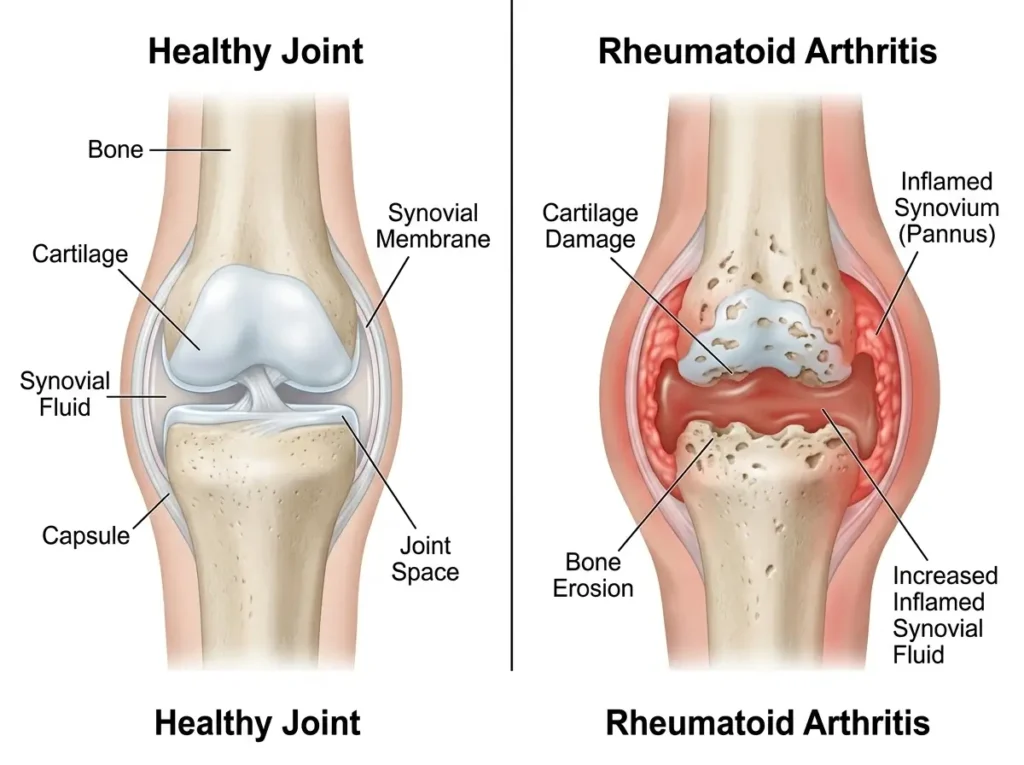
Rheumatoid arthritis (RA) is more than just “joint pain.” It is a complex autoimmune condition where the body’s immune system mistakenly attacks the synovium—the thin layer of cells lining the joints. If left untreated, this persistent inflammation can lead to bone erosion and joint deformity. Understanding rheumatoid arthritis symptoms at an early stage is the…
Rheumatoid arthritis (RA) is more than just “joint pain.” It is a complex autoimmune condition where the body’s immune system mistakenly attacks the synovium—the thin layer of cells lining the joints. If left untreated, this persistent inflammation can lead to bone erosion and joint deformity.
Understanding rheumatoid arthritis symptoms at an early stage is the most critical step toward preserving your mobility and quality of life. In this comprehensive guide, we will explore every facet of RA, from the subtle “whispers” of the disease to the advanced signs you cannot afford to ignore.
Table of Contents
1. The Early Warning Signs: Identifying the “Whispers”
In the beginning, rheumatoid arthritis symptoms might not even feel like arthritis. Many patients report a general feeling of being “unwell” before the joint pain becomes localized.
Fatigue and General Malaise
One of the earliest signs is overwhelming exhaustion. This isn’t just being tired from a long day; it’s a deep fatigue caused by the body’s energy being diverted to handle systemic inflammation. You might also experience a low-grade fever or a sudden loss of appetite.
Small Joint Involvement
Unlike other forms of joint disease, RA usually starts in the smallest joints first. Pay close attention to:
- The base of your fingers (MCP joints).
- The middle joints of your fingers (PIP joints).
- The base of your toes.
If these areas feel “puffy” or tender when you squeeze them, it is a strong indicator of early RA.
2. Defining Rheumatoid Arthritis Symptoms: The Core Indicators
As the disease progresses, the symptoms become more distinct. To rank at the top of search results, it is essential to understand the “Symmetry” and “Stiffness” that define this condition.
Symmetrical Inflammation
This is the “signature” of RA. If your left wrist is swollen and painful, your right wrist will likely experience the same symptoms. This symmetry is a key differentiator that doctors look for when diagnosing the condition.
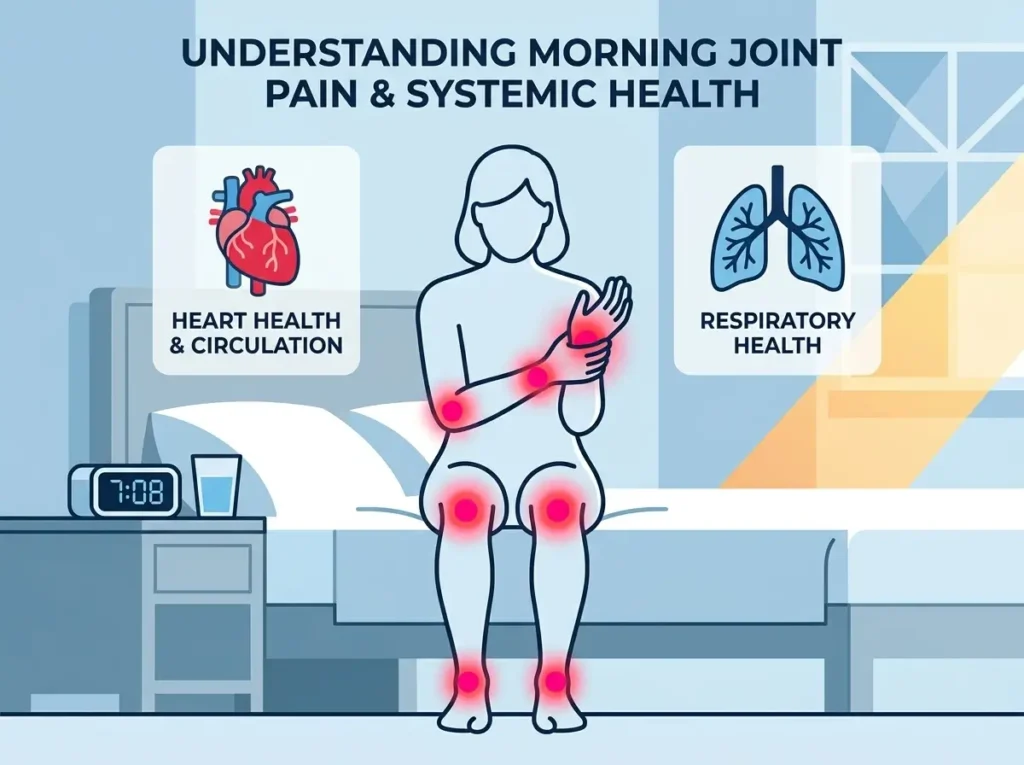
Morning Stiffness: The Duration Matters

Almost everyone with RA experiences morning stiffness. However, the duration is what matters for a diagnosis:
- Osteoarthritis stiffness usually fades within 20 to 30 minutes of moving.
- Rheumatoid arthritis symptoms include stiffness that lasts for 60 minutes or longer.
Joint Warmth and Redness
The inflammation in the synovium increases blood flow to the area. If your joints feel hot to the touch or look noticeably pink/red, it indicates active “flaring.”
3. How RA Affects the Entire Body (Systemic Symptoms)
Because RA is a systemic disease (affecting the whole body), the symptoms can extend far beyond the joints. This is a crucial section for SEO because it targets “long-tail” keywords related to RA complications.
Skin and Rheumatoid Nodules
About 25% of people with RA develop rheumatoid nodules. These are firm, painless bumps under the skin, usually found on pressure points like the elbows, heels, or knuckles.
Lung and Heart Complications
Chronic inflammation can affect the lining of the lungs (pleurisy) or the sac around the heart (pericarditis). Symptoms include shortness of breath or chest pain when taking a deep breath.
Sjogren’s Syndrome: Dry Eyes and Mouth
Many RA patients also suffer from secondary Sjogren’s Syndrome. This leads to a persistent “gritty” feeling in the eyes and an extremely dry mouth, making it difficult to swallow dry foods.
4. The Phases of RA: Flares vs. Remission
Rheumatoid arthritis symptoms are not static; they move in cycles.
- Flares: These are periods of high disease activity where pain and fatigue spike. Flares can be triggered by stress, overexertion, or even changes in weather.
- Remission: Thanks to modern medicine, many patients achieve remission, where the swelling disappears and the joints feel almost normal. However, the disease is still present, and maintenance is required.
5. When to Transition from Self-Monitoring to Medical Help
If you have been searching for rheumatoid arthritis symptoms because you are worried about your health, timing is everything. There is a “Window of Opportunity”—usually within the first 6 months of symptom onset—where aggressive treatment can prevent permanent joint damage.
See a rheumatologist if:
- You have joint swelling in three or more joints simultaneously.
- Your symptoms have lasted more than 6 weeks.
- Over-the-counter pain relievers (like ibuprofen) are no longer providing relief.
6. Lifestyle and Dietary Management
While medicine is the primary treatment, lifestyle changes can significantly dampen the intensity of rheumatoid arthritis symptoms.
The Anti-Inflammatory Diet

Focusing on foods that lower C-reactive protein (a marker of inflammation) can help. Incorporate:
- Omega-3 Fatty Acids: Found in salmon, walnuts, and flaxseeds.
- Antioxidants: Brightly colored berries and leafy greens.
- Fiber: Whole grains help reduce inflammatory markers in the blood.
Low-Impact Exercise
Movement is medicine for RA. While it may seem counterintuitive to move painful joints, inactivity actually leads to more stiffness. Activities like swimming, cycling, and yoga keep the joints lubricated without adding impact stress.
7. Psychological Impact: The Mental Health Connection
Living with chronic pain is taxing. People with RA are at a higher risk for clinical depression and anxiety. Addressing the emotional toll is just as important as treating the physical swelling. Support groups and cognitive-behavioral therapy (CBT) are proven to help patients manage the “mental load” of the disease.
Conclusion: Taking Control of Your Health
While rheumatoid arthritis symptoms can be life-altering, they are not a life sentence. With early intervention, specialized care, and a proactive lifestyle, most individuals live full, active lives. If you recognize these signs in yourself, don’t wait—consult a healthcare professional today to discuss your options.rheumatoid arthritis symptoms.