
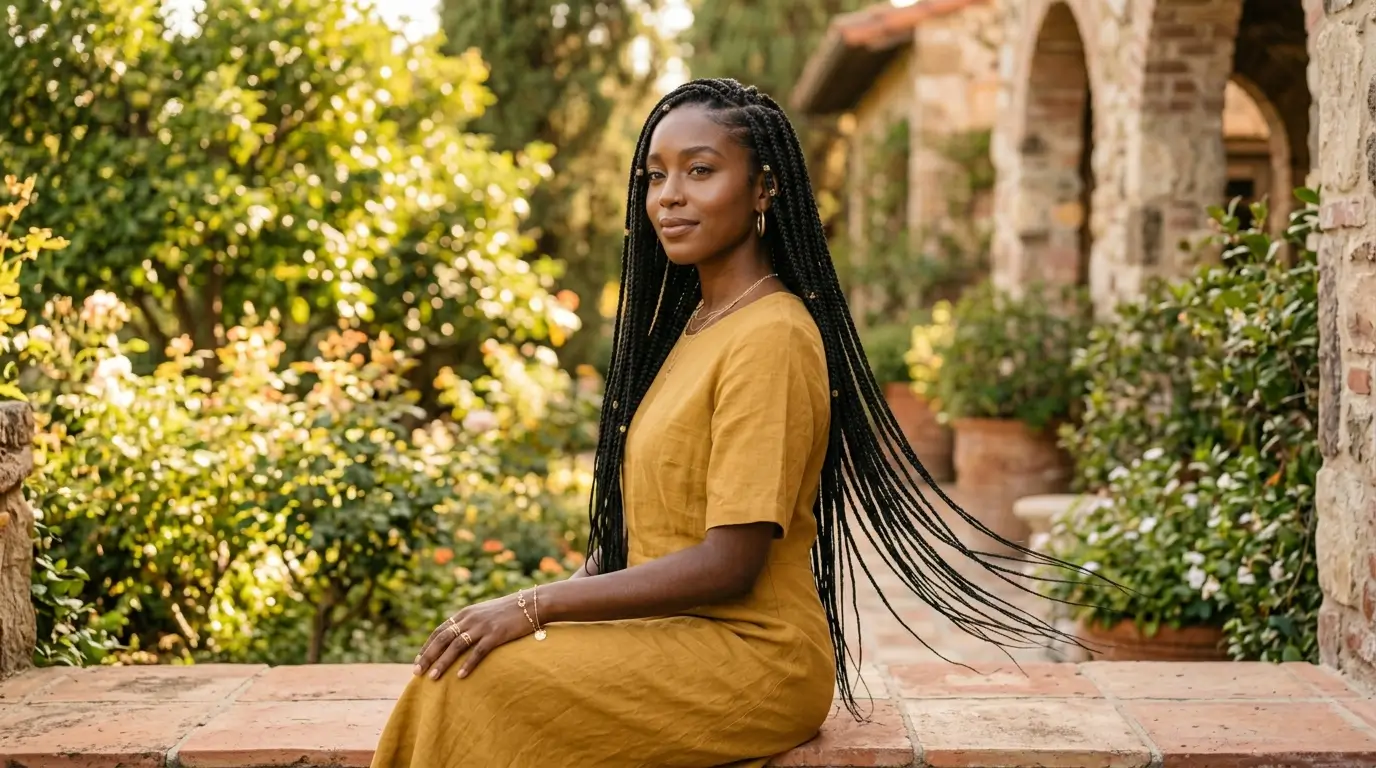
History of Braids: The Fascinating Untold Story
Hairstyles come and go — but few have lasted as long or meant as much as braids. From ancient African tribes to modern-day runways, this iconic style has stood the test of time for over 5,000 years. But how much do you really know about where this tradition comes from? The history behind this beloved…
Hairstyles come and go — but few have lasted as long or meant as much as braids. From ancient African tribes to modern-day runways, this iconic style has stood the test of time for over 5,000 years.
But how much do you really know about where this tradition comes from? The history behind this beloved look goes far deeper than you might think — crossing continents, shaping cultures, and carrying powerful meaning along the way.
In this guide, you’ll discover the surprising origins of braids, how they evolved across different cultures, and why they remain one of the most celebrated hairstyles in the world today.
Where Do Braids Come From?
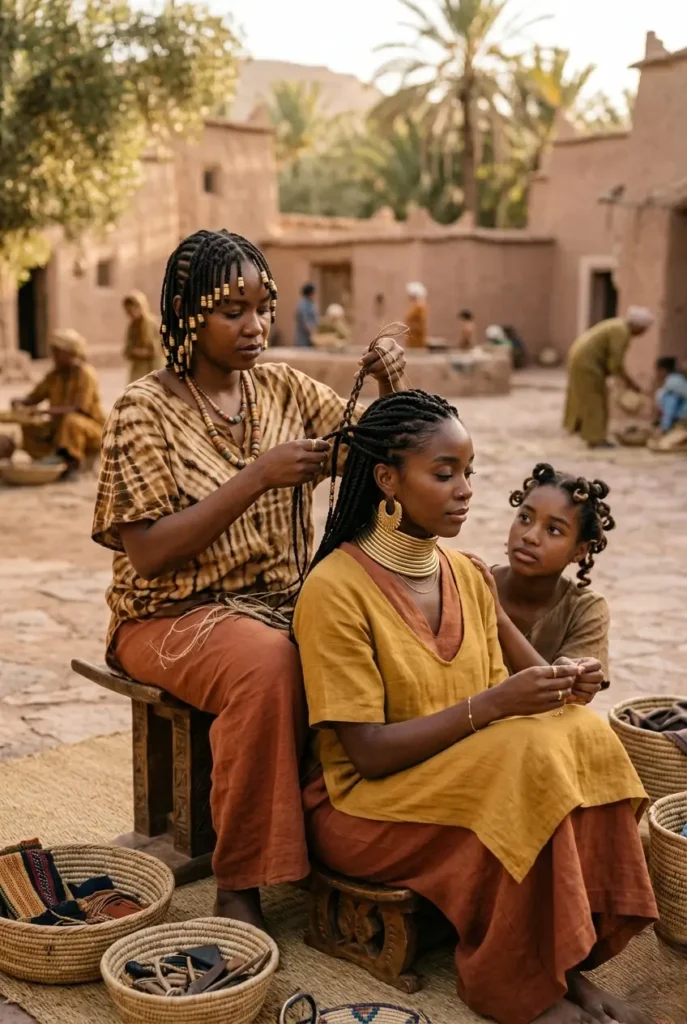
This style did not start as a fashion trend — it started as a way of life.
The origin of braids traces back to Africa, specifically to the Himba people of Namibia, over 5,000 years ago. For these ancient communities, the way someone wore their hair could tell you everything about them — their tribe, their age, whether they were married, how wealthy they were, and even their religious beliefs.
In many African tribes, each pattern was unique to a specific group. It was like a visual language — one glance at someone’s hair and you knew exactly where they came from and who they were.
This practice was also deeply social. Elders would style the hair of younger family members, passing down techniques and traditions from one generation to the next. Children would watch, learn, and eventually practice on each other. It was a moment of bonding, storytelling, and community — all through hair.
Over time, this tradition spread far beyond Africa, reaching every corner of the world and adapting to new cultures while keeping its deep roots intact.
A Timeline of Braids Through History
This craft did not stay in one place — it traveled the world. Here is how it evolved across different cultures and centuries:
| Era | Style | Region |
|---|---|---|
| 3500 BC | Cornrows | Africa |
| 3100 BC | Box Braids | Egypt |
| 1st Century | Halo Braid | Greece |
| 5th Century | Pigtail Braids | Native America |
| 1066–1485 | Crown Braid | Europe |
| 1644–1912 | Staircase Braid | China |
| 1970s | Modern Cornrows | Caribbean |
| 2005 | Tutorials Go Viral | Worldwide (YouTube) |
Each culture took the basic concept and made it their own — adding new patterns, new meanings, and new techniques that reflected their unique identity.
How Have Braids Evolved Over Time?
For thousands of years, this style followed strict patterns and rules. The way you wore your hair meant something specific — it was not just a fashion choice, it was a statement.
But over time, that began to change.
By the 20th century, the practice had traveled so far across the world that it started blending with new cultures and new ideas of beauty. The rules became looser. The styles became more creative. And what was once a cultural symbol transformed into a global fashion staple.
Today, modern styles look very different from their ancient origins. People wear them loose and organic, not just tight and precise. From boho looks to chunky box braids to barely-there beach waves, the spectrum of styles today is wider than ever.
And yet — the core patterns have barely changed. What has evolved is the meaning we attach to them, and the freedom we feel in wearing them.
What Are Box Braids and Why Are They So Popular?
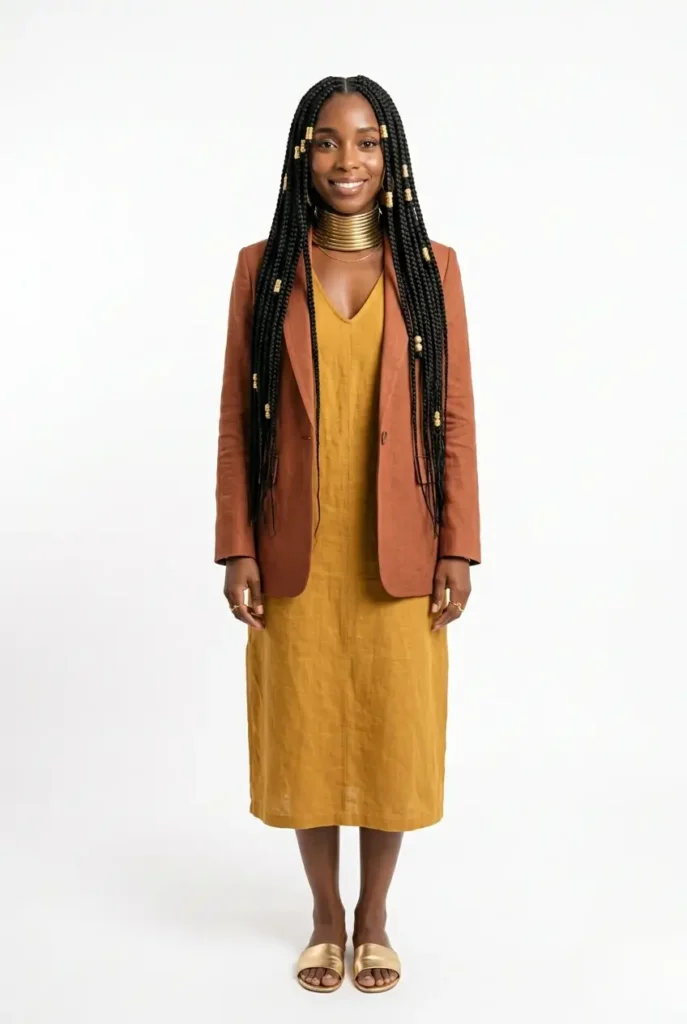
If there is one style that has truly dominated modern culture, it is box braids.
They first gained major popularity in the 1990s, becoming one of the most iconic looks of that decade. But their roots go all the way back to ancient Egypt around 3100 BC — making them one of the oldest techniques still worn today.
So why are they so popular?
The answer goes beyond fashion. For many women — especially those with natural, kinky, or coily hair textures — this technique is a form of protective styling. It shields hair from everyday damage caused by heat, humidity, and manipulation, allowing it to rest, retain length, and stay healthy — all while looking effortlessly stylish.
Beyond the practical benefits, box braids carry deep cultural pride. In African American communities, braiding salons are more than just hair salons. They are spaces of community, culture, and connection — where getting your hair done is an experience, not just an appointment.
That combination of beauty, practicality, and cultural meaning is exactly why this style has never gone out of fashion — and likely never will.
The Cultural Significance of Braids Today
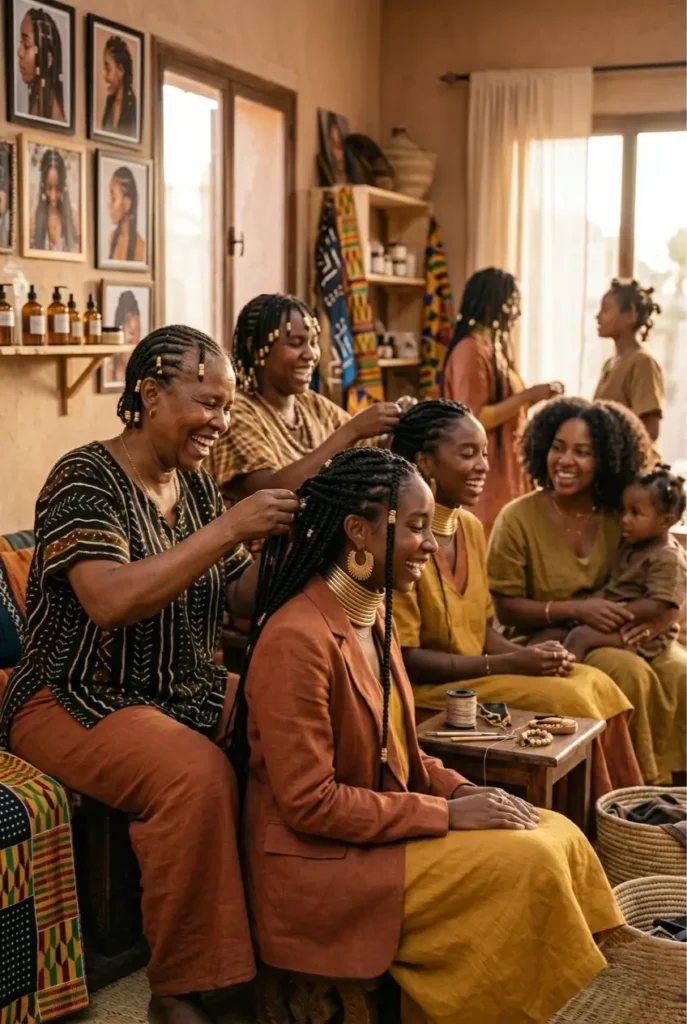
This craft has always meant more than just a hairstyle — and that is still true today.
For many communities around the world, it remains a powerful symbol of identity, heritage, and pride. It connects people to their ancestors and their roots in a way that few other styles can.
In African American communities especially, braids represent a connection to African heritage, a celebration of natural beauty, and a form of self-expression that has survived centuries of history. Wearing them is not just a style choice — for many, it is a statement of who they are and where they come from.
At the same time, this style has become universal — embraced by people of all backgrounds, ages, and hair types. From celebrities on red carpets to everyday people on the street, the look is everywhere — and it means something different to everyone who wears it.
That is the true power of this tradition. It is both deeply personal and universally beautiful — carrying centuries of history on every strand, while always managing to feel completely current.
FAQs About Braids
What is the origin of braids? They originated in Africa over 5,000 years ago, with the earliest known evidence dating back to 3500 BC. The Himba people of Namibia are widely credited as among the first to adopt this practice as part of their cultural identity.
What do braids symbolize? Throughout history, this style has symbolized tribe, age, marital status, wealth, and religion. Today, it represents cultural pride, natural beauty, and self-expression.
When did box braids become popular? Box braids gained widespread popularity in the 1990s, though their origins date back to ancient Egypt around 3100 BC. They remain one of the most popular protective styles for natural hair today.
Are braids cultural? Yes. This tradition has deep roots in African, Egyptian, Greek, Native American, Chinese, and European cultures. Understanding that history is an important part of appreciating the style today.
Why are braids still popular today? They are timeless because they are both practical and beautiful — protecting natural hair, suiting any occasion, and carrying a rich cultural history that continues to inspire new trends around the world.