
Fulani Braids in 2026: History, Best Styles, and Care Tips
Fulani braids are one of the most beautiful and recognizable braided hairstyles in the world. They are stylish, protective, and deeply rooted in culture. In 2026, they continue to stand out for their versatility, detailed braid patterns, and the way they can be customized with beads, curls, or modern parting designs. But this look is…
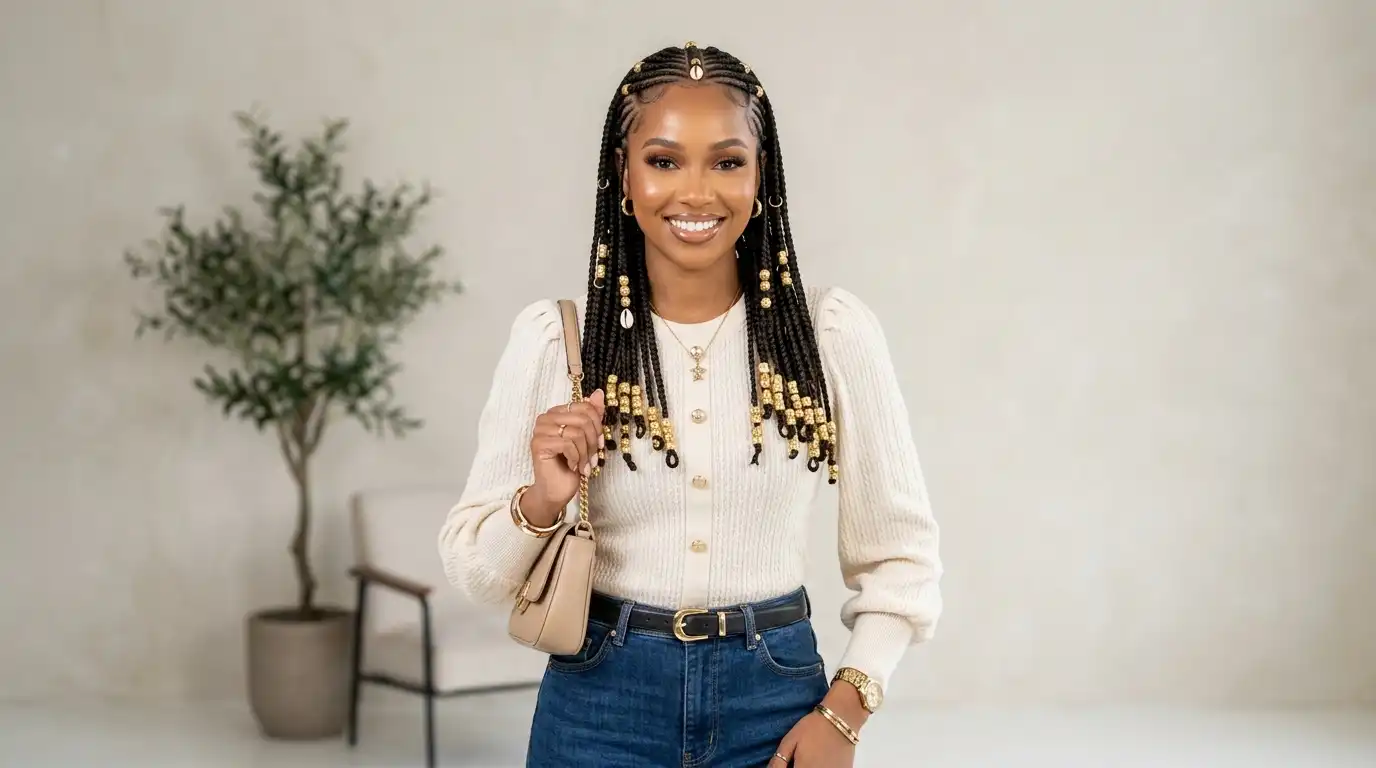
Fulani braids are one of the most beautiful and recognizable braided hairstyles in the world. They are stylish, protective, and deeply rooted in culture. In 2026, they continue to stand out for their versatility, detailed braid patterns, and the way they can be customized with beads, curls, or modern parting designs.
But this look is more than just a hairstyle trend. It comes from a long cultural tradition linked to the Fulani people of West Africa, and that history deserves to be understood and respected. In this guide, you will learn what Fulani braids are, where they come from, the best modern styles to try, and how to maintain them properly.
If you want a broader cultural overview first, our guide to the history of braids is a great place to start.
Table of Contents
What Are Fulani Braids?
Fulani braids are a braided hairstyle inspired by the traditional braiding patterns worn by Fulani women across West Africa. The style usually includes neat cornrows braided close to the scalp, a center braid or center part, side braids, and decorative details such as beads, cuffs, or shells.
One of the reasons this look remains so popular is that it can be both traditional and modern at the same time. Some women prefer a classic version with beads and clean scalp patterns, while others go for longer lengths, curls at the ends, or mixed braid sizes.
The beauty of this style is in the details. It frames the face beautifully, works on many hair lengths, and offers a protective option for women who want a low-manipulation hairstyle.
The History and Cultural Meaning Behind Fulani Braids
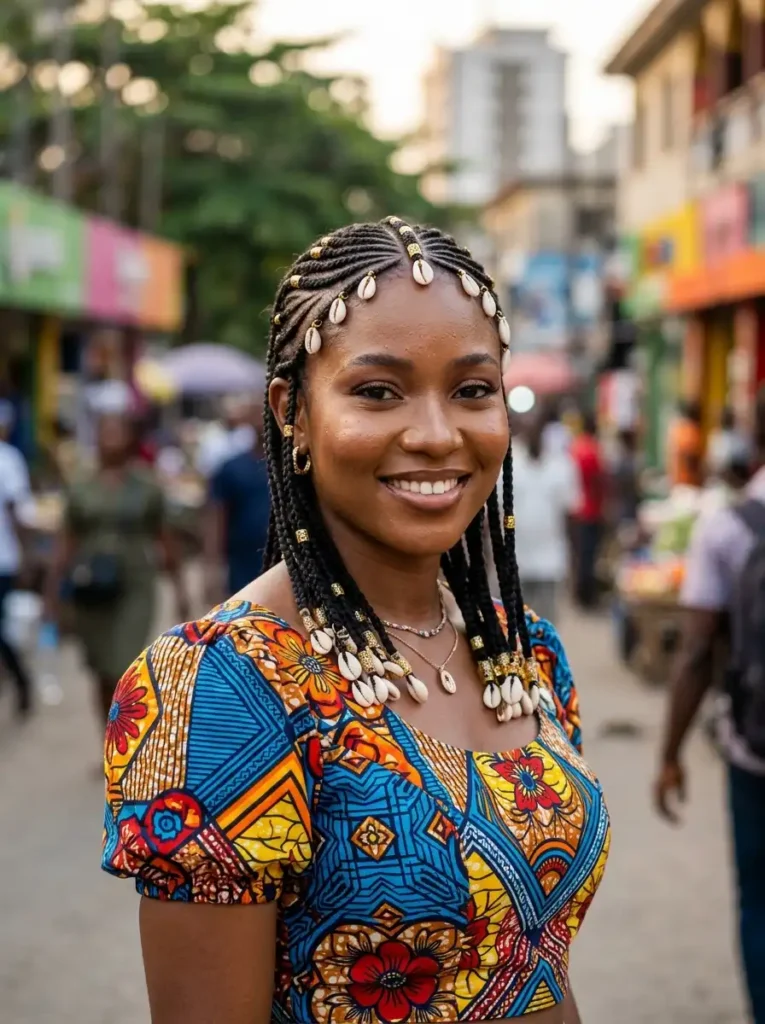
This hairstyle is named after the Fulani people, one of the largest ethnic groups in West Africa. Fulani communities are spread across countries such as Nigeria, Senegal, Guinea, Mali, and Niger. For generations, hair has played an important role in identity, beauty, social meaning, and tradition.
Historically, Fulani women wore specific braid patterns that could reflect age, marital status, family background, or regional identity. Adornments like beads, coins, and cowrie shells were not just decorative — they could also carry cultural or symbolic meaning.
Today, the hairstyle is loved around the world, but it is important to recognize its origins and appreciate it respectfully. This is one of the reasons cultural context matters when writing about protective styles. If you also love heritage-inspired braid patterns, you may want to read our guide to tribal braids.
Traditional Features That Define the Style
Although there are many modern versions now, a classic Fulani-inspired look often includes these elements:
- a clean center part or center braid
- cornrows braided forward or backward close to the scalp
- side braids that frame the face
- beads, cuffs, or shells for decoration
- a mix of thin and medium braid sizes
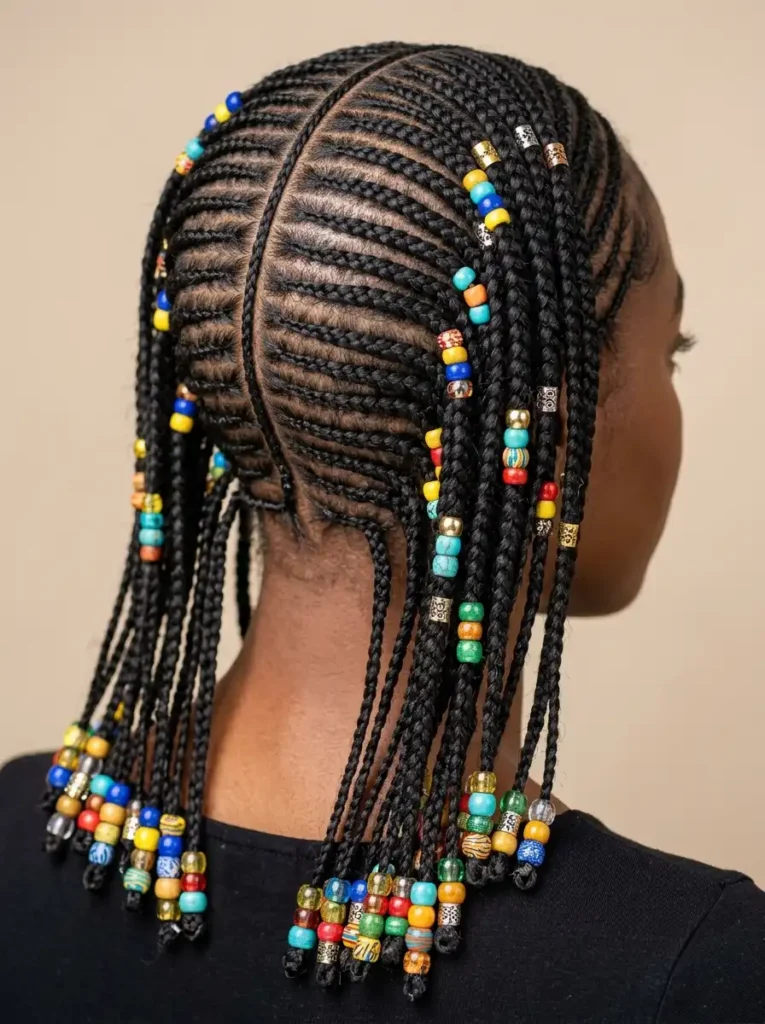
Not every modern version follows all these rules exactly, but these details are what make the style so recognizable.
Why Fulani Braids Are Still Popular in 2026
This look continues to trend because it offers the best of both worlds: beauty and practicality. It is protective, highly customizable, and visually striking. It also works across many aesthetics, from minimalist and elegant to bold and heavily accessorized.
Women still love this style in 2026 because it:
- protects natural hair from daily manipulation
- looks beautiful on short, medium, and long hair
- can be worn with beads, curls, or clean simple finishes
- works for casual wear, travel, events, and special occasions
- photographs beautifully for Pinterest, Instagram, and hairstyle inspiration boards
It also pairs well with many other protective-style conversations, including knotless braids.
12 Fulani Braids Styles to Try in 2026
1. Classic Fulani Braids with Beads

This is the timeless version: clean scalp braids, center detail, and beads at the ends. It is perfect if you want something traditional and elegant.
2. Fulani Braids with Curly Ends
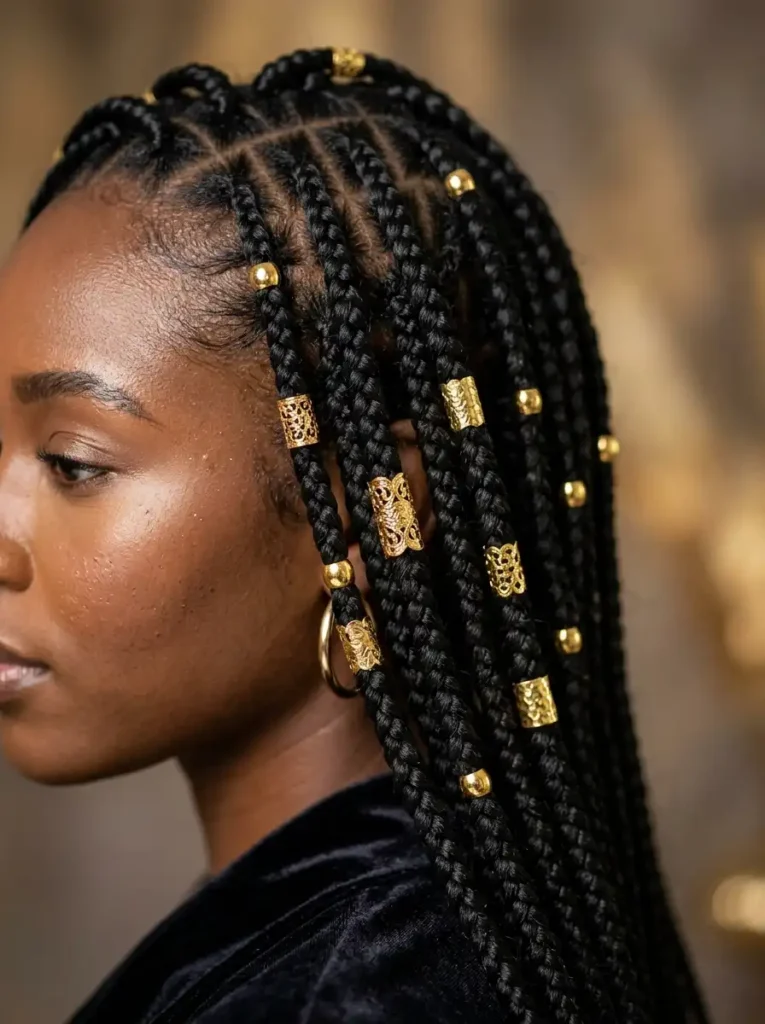
This softer version combines sleek braids at the top with loose curls at the ends. It gives the style more volume and a romantic finish.
3. Jumbo Fulani Braids
If you prefer a bolder look and a quicker install, jumbo braids are a great option. They make the scalp design stand out more clearly.
4. Fulani Braids with Knotless Lengths
This version feels lighter and often more comfortable on the scalp. It combines the front patterning with the softer finish of knotless braiding.
5. Half-Up Fulani Braids
A half-up style keeps the face open and makes the whole look feel playful and modern.
6. Fulani Braids in a Bun
This is sleek, practical, and perfect for warm weather or events. A high or low bun changes the mood completely.
7. Shoulder-Length Fulani Braids
If you do not want very long braids, shoulder-length styles can look fresh, chic, and easier to manage.
8. Fulani Braids with Side Curls
Loose curls around the face can soften the whole style and create a more feminine finish.
9. Fulani Braids with Gold Cuffs
If you want something glamorous without too much color, gold cuffs give the hairstyle a luxurious touch.
10. Fulani Braids with Cowrie Shells
This look leans more into heritage-inspired styling and can feel very striking when done thoughtfully.
11. Fulani Braids with Zigzag Parts
A more modern take, this version plays with scalp design and creates a bolder statement.
12. Fulani Braids on Natural Hair
Some women keep the style more natural and less extension-heavy, which can look beautiful and feel lighter.
Who Do Fulani Braids Suit Best?
One of the reasons this hairstyle remains so beloved is that it can suit many face shapes and hair densities. A skilled braider can adjust the braid pattern, thickness, length, and accessories to make the look feel balanced and flattering.
This style often works especially well for women who:
- want a protective hairstyle
- enjoy bead or accessory details
- prefer low daily styling
- want a neat, long-lasting braid look
- love a blend of cultural beauty and modern hair fashion
It can also be adapted for different textures and curl patterns. If you enjoy textured protective styles, you may also like our guide to hairstyles for curly hair.
How to Ask Your Braider for Fulani Braids
If you want the right result, do not just say “I want braids.” Bring reference photos and explain exactly which details you want.
You can say:
- I want Fulani-inspired front braids with a center detail
- I want medium length / waist length / shoulder length
- I want beads at the ends
- I want curls at the ends
- I want a cleaner modern version
- I want a more traditional pattern
Also talk about tension. Protective styles should feel secure, but they should never feel painfully tight.
How Long Do Fulani Braids Take?
The install time depends on:
- braid size
- hair length
- whether you add extensions
- whether you want beads or curls
- the complexity of the scalp pattern
On average, the appointment may take anywhere from 3 to 7 hours. A simple version is faster, while smaller or more detailed styles take longer.
How Long Do They Last?
With proper care, this hairstyle usually lasts around 2 to 5 weeks, and sometimes longer depending on the braid size, your scalp, and how well you protect it at night.
Smaller, more detailed braids may look neat for longer, but that does not always mean they should stay in too long. Keeping a protective style beyond its healthy limit can lead to buildup or breakage.
How to Maintain Fulani Braids Properly
Maintenance matters if you want the style to stay neat and if you want to protect your natural hair underneath.
1. Moisturize Your Scalp
Use a light scalp oil or braid spray to keep the scalp comfortable and prevent dryness.
2. Wrap Your Hair at Night

A satin or silk scarf helps reduce frizz and keeps the braids looking cleaner for longer.
3. Clean the Scalp Gently
Use a diluted shampoo or braid cleanser and focus on the scalp rather than rubbing the braids aggressively.
4. Avoid Too Much Pulling
High tension ponytails and constant restyling can stress the edges.
5. Refresh the Hairline Carefully
If your edges start to look messy, a small amount of edge control can help, but do not overdo it.
For broader protective-style upkeep, our article on gentle hair care and protective hairstyles may help too.
Common Problems and How to Fix Them
Scalp Irritation
This often comes from tight braiding or product buildup. Use a soothing scalp oil and avoid styles that feel painful from day one.
Frizz Too Early
This may happen if the hair was not sealed neatly or if the style was not protected at night. A satin scarf makes a big difference.
Heavy Tension at the Hairline
If the braids feel too tight around the edges, do not ignore it. Too much tension can lead to unnecessary stress on the hairline.
Buildup
Dry shampoo for braids or diluted scalp cleansing between full washes can help keep the scalp fresh.
Fulani Braids vs. Tribal Braids vs. Knotless Braids
These styles often get grouped together, but they are not exactly the same.
- Fulani braids are recognized by their specific front braid pattern and cultural roots
- Tribal braids are a broader category that may include many different decorative braid looks
- Knotless braids refer more to the installation technique and tension-free braid base
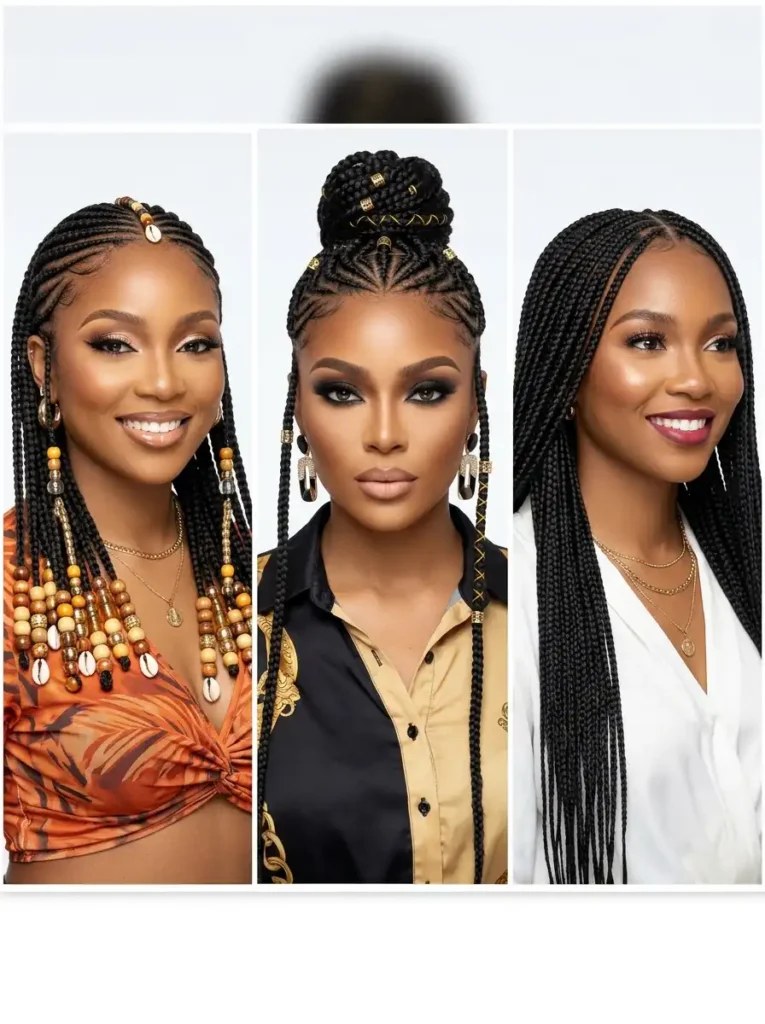
That is why one hairstyle can sometimes combine elements of more than one category. You can compare them more deeply in our guides to tribal braids and knotless braids.
Frequently Asked Questions
Are Fulani braids a protective style?
Yes. They can help reduce daily manipulation and protect natural hair when installed and maintained properly.
Can you do this style on short hair?
Yes. Extensions can be added if you want more length or fullness.
Do Fulani braids hurt?
They should not be painfully tight. If the style feels too tight from the start, ask your braider to adjust the tension.
Can I wash them?
Yes, but focus on the scalp and cleanse gently to avoid frizz and buildup.
Are beads necessary?
No. Beads are traditional and beautiful, but you can also wear a more minimal version without them.
Final Thoughts
Fulani braids are more than a hairstyle trend. They are a beautiful braided style with deep cultural roots, strong visual identity, and real versatility. Whether you prefer a classic beaded version or a softer modern take with curls and longer lengths, this look remains one of the most timeless protective styles in 2026.
If you want a hairstyle that combines tradition, beauty, and creativity, this is still one of the strongest braid choices you can make.
You May Also Like
- History of Braids: The Fascinating Untold Story
- The Ultimate Guide to Tribal Braids: History, Styles, and Maintenance Tips
- Knotless Braids: Everything You Need to Know About Benefits, Installation, and Maintenance
- Gentle Hair Care and Protective Hairstyles
- Hairstyles for Curly Hair: A Comprehensive Guide