

How To Reclaim Your Life: Rheumatoid Arthritis Early Signs
The human body is a masterpiece of biological engineering, yet it often communicates its distress through subtle whispers long before it lets out a loud cry. When you wake up in the morning and feel as though your joints are encased in drying cement, it is easy to dismiss the sensation as a byproduct of…
The human body is a masterpiece of biological engineering, yet it often communicates its distress through subtle whispers long before it lets out a loud cry. When you wake up in the morning and feel as though your joints are encased in drying cement, it is easy to dismiss the sensation as a byproduct of a poor sleeping position. However, lingering stiffness that refuses to dissipate within a few minutes may be the first alarm bell. Understanding Rheumatoid Arthritis early signs is not merely about managing discomfort; it is about protecting your long-term mobility and preventing irreversible damage to your skeletal structure.
Rheumatoid Arthritis (RA) is fundamentally different from the wear-and-tear arthritis that most people associate with older age. While Osteoarthritis occurs when the protective cartilage on the ends of your bones wears down over time, RA is an autoimmune disorder. This means your immune system mistakenly identifies the lining of your joints as a foreign threat. It launches a persistent attack on the synovium, the thin membrane that lines the joints, causing a cascade of inflammation. The tragedy of this condition is that it is a systemic disease, meaning its reach extends far beyond the knuckles, potentially impacting your heart, lungs, and even your skin.
Table of Contents
The Stubborn Nature of Morning Stiffness and Joint Immobility

One of the most profound Rheumatoid Arthritis early signs is the duration and intensity of morning stiffness. Most people experience occasional tightness after a long night of sleep, but the stiffness associated with RA is notoriously stubborn. It often lasts for forty-five minutes or significantly longer, sometimes persisting for several hours. This locked sensation occurs because inflammatory fluids settle in the joints during periods of inactivity. If you find that you need a hot shower and extensive stretching just to perform basic tasks like gripping a toothbrush, your body is providing you with critical diagnostic information.
This specific type of stiffness is often one of the first symptoms to appear and can predate actual joint pain by weeks. It is a frightening realization for many when they notice that their hands no longer function with the same fluidity they once possessed. The emotional toll of noticing these Rheumatoid Arthritis early signs is significant, as it serves as a daily reminder of a changing physical reality. Because the stiffness is so closely linked to the body’s inflammatory markers, it remains a reliable clinical clue for doctors attempting to differentiate between various types of inflammatory conditions.
Identifying the Early Physical Hallmarks of Inflammation
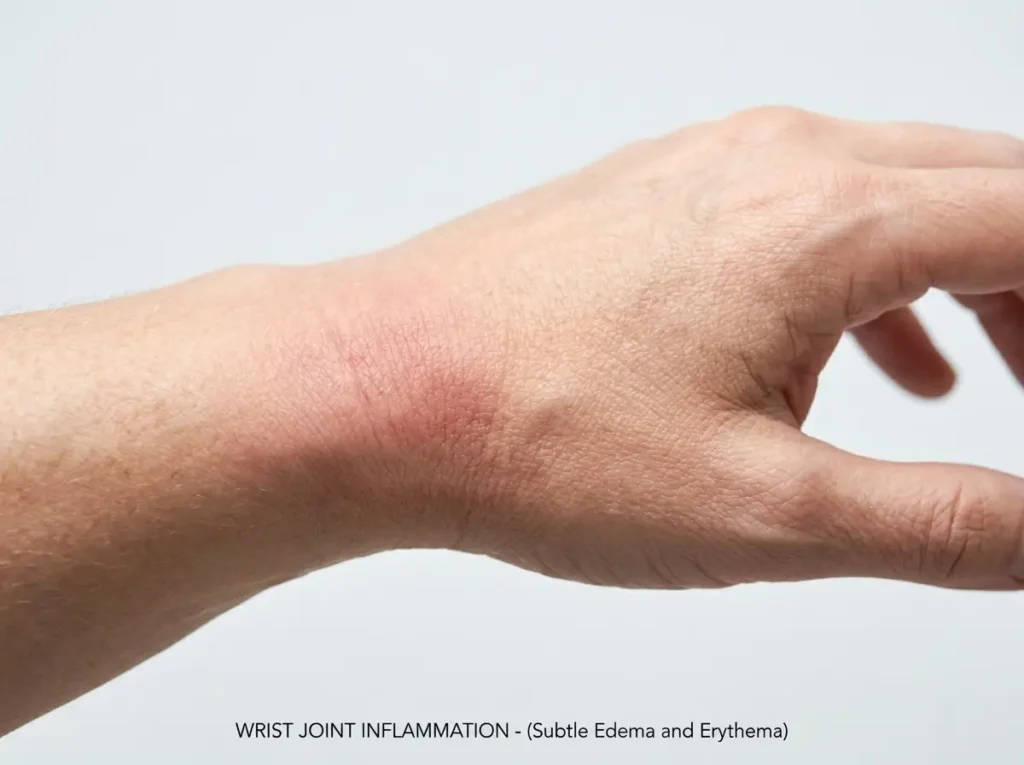
Inflammation is the primary engine of this condition, and it manifests physically as warmth and swelling. Early in the progression of the disease, you might notice that specific joints feel slightly hot to the touch or appear puffy. This is not the result of a physical injury but rather the visible evidence of your immune system’s internal battle. This swelling is often accompanied by a distinct tenderness; even a gentle squeeze of the hand or pressure on the ball of the foot can feel unexpectedly painful. Identifying these Rheumatoid Arthritis early signs is crucial because the disease tends to be symmetrical, appearing in the same joints on both sides of the body.
As the inflammatory process gains momentum, the symptoms often begin in the smallest joints first, specifically those in the hands and feet. You might find that your rings feel tighter than usual or that your favorite pair of shoes suddenly feels restrictive. This small-joint involvement is a classic hallmark when tracking Rheumatoid Arthritis early signs. If the disease is allowed to progress without medical intervention, the inflammation eventually migrates to larger joints such as the wrists, elbows, knees, and hips. The danger of ignoring minor pains in the fingers is that the persistent inflammation is quietly eating away at the bone and ligaments.
Systemic Warning Signs Beyond the Joint Surface

Beyond the physical sensations in the joints, looking for Rheumatoid Arthritis early signs involves monitoring your overall energy and health. Because your body is in a constant state of high-alert inflammation, you may experience profound fatigue that does not improve with rest. This is not typical tiredness; it is a deep, bone-weary exhaustion that can make everyday life feel like an uphill struggle. Some individuals also experience a persistent low-grade fever or a sudden loss of appetite and unintended weight loss. These whole-body symptoms occur because inflammatory chemicals are circulating through your bloodstream.
The impact of Rheumatoid Arthritis on your aesthetic well-being and skin health is another facet that is frequently overlooked. For a beauty-conscious individual, the systemic inflammation can manifest as chronic dryness in the eyes and mouth. Furthermore, the inflammation can affect the skin’s ability to retain moisture and repair itself, leading to a duller complexion. Recognizing these Rheumatoid Arthritis early signs is the only true way to restore the external glow that the condition can strip away. Addressing the internal health of your joints and immune system is the foundation for maintaining your long-term beauty and vitality.
The Critical Importance of Early Medical Intervention
Early detection is the most powerful weapon in the modern medical arsenal. In previous decades, an RA diagnosis often meant a guaranteed path toward disability, but the landscape of treatment has undergone a revolutionary shift. Modern medications, particularly biologics and disease-modifying antirheumatic drugs (DMARDs), are now capable of slowing or even halting the progression of the disease entirely. The goal of contemporary treatment is to reach a state of remission, where joint damage is stopped in its tracks. However, success depends heavily on catching Rheumatoid Arthritis early signs before significant joint damage has already occurred.
Waiting too long to seek medical advice can result in what physicians call the “window of opportunity” being closed. This window refers to the first few months after the onset of symptoms when the disease is most responsive to aggressive therapy. If a patient ignores the Rheumatoid Arthritis early signs for years, the structural changes to the bone and cartilage become permanent. Therefore, the moment you notice persistent swelling or heat in your knuckles, it is imperative to seek a referral to a specialist. A rheumatologist can initiate a targeted treatment plan designed specifically to protect your future mobility.
Supporting Joint Health Through Nutrition and Lifestyle
Dietary choices play a significant supporting role in managing the initial phases of the disease. Adopting an anti-inflammatory diet can provide the body with the nutrients it needs to dampen the immune system’s overactive response. Incorporating foods rich in omega-3 fatty acids, such as salmon, walnuts, and flaxseeds, can help lubricate the joints. Similarly, colorful fruits and vegetables packed with antioxidants help protect the joint tissues from oxidative stress. When you begin noticing Rheumatoid Arthritis early signs, reducing the intake of processed sugars and saturated fats can prevent unnecessary spikes in inflammation.
In addition to nutrition, gentle movement and strategic rest are essential components of a balanced approach to joint health. While it may seem counterintuitive to exercise painful joints, low-impact activities like swimming or yoga can help maintain flexibility. This extra support reduces the physical burden on the inflamed tissue. However, balancing this activity with adequate rest during periods of high disease activity is equally important to avoid exacerbating the inflammation. Learning to listen to your body’s signals is a vital skill for anyone navigating the path of Rheumatoid Arthritis early signs and long-term management.

Navigating the Cycle of Flares and Remission
It is also important to understand the cyclical nature of these symptoms, which often move through phases of flares and remissions. A flare is a period of high disease activity where pain and swelling are at their peak, while remission is a period where the symptoms seem to disappear. It is a common mistake for patients to assume they are cured during a period of remission and subsequently stop seeking medical advice. Unfortunately, the underlying autoimmune process often continues silently in the background. Consistency in monitoring Rheumatoid Arthritis early signs is essential to ensure that a temporary reprieve does not lead to a long-term setback.
If you have been experiencing persistent joint pain, swelling, or that dreaded morning stiffness for more than three weeks, the time for waiting has passed. A consultation with a healthcare professional can provide the blood tests and imaging necessary to confirm or rule out an RA diagnosis. While the prospect of a chronic condition can be frightening, knowledge is the foundation of control. By identifying the Rheumatoid Arthritis early signs today, you are reclaiming your future and your quality of life. Do not let the scary reality of this condition go unchecked when the path to relief and recovery is within your reach.