Dirty Blonde Hair: The Complete Guide to Your Most Flattering Color Yet
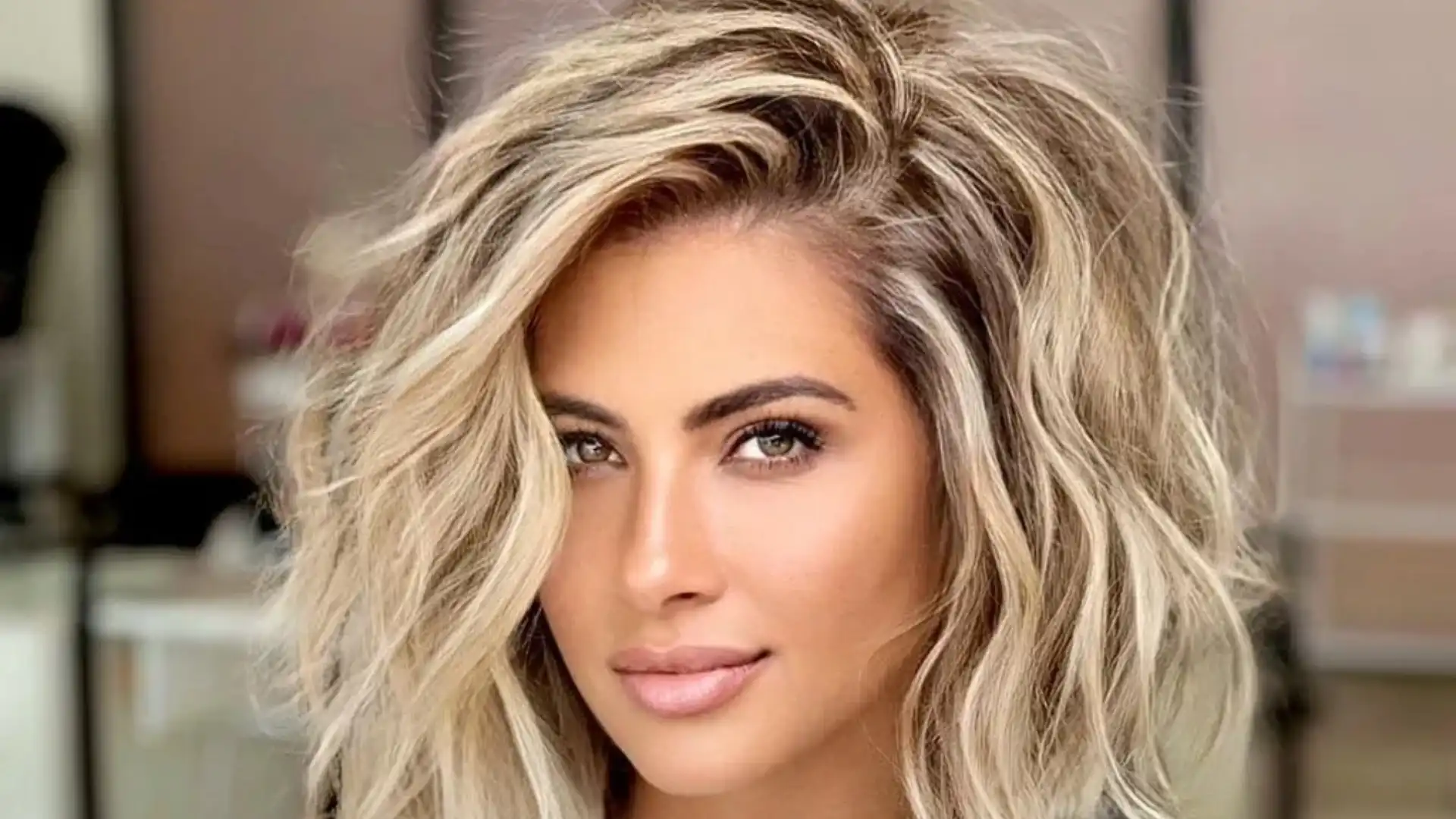
If you want a hair color that lives somewhere between sunkissed summer strands and rich, dimensional brunette, dirty blonde hair color is your perfect match. It is the single most requested transitional shade in salons worldwide because it delivers brightness without the harsh maintenance of platinum, and depth without the flatness of all-over brown. This guide breaks…
If you want a hair color that lives somewhere between sunkissed summer strands and rich, dimensional brunette, dirty blonde hair color is your perfect match. It is the single most requested transitional shade in salons worldwide because it delivers brightness without the harsh maintenance of platinum, and depth without the flatness of all-over brown.
This guide breaks down exactly what makes this shade work, how to achieve it safely, and how to keep it looking expensive for weeks. Whether you are starting from deep brunette, lightening natural blonde, or simply looking for a refresh, the tips below are drawn from real salon techniques—not generic advice.
Table of Contents
What Is Dirty Blonde Hair?
Dirty blonde hair color sits between levels 7 and 8 on the professional color scale. It is not quite light brown, and it is not quite bright blonde. Instead, it is a multidimensional mix of wheat, beige, ash, and golden tones that create the illusion of natural lift.
Unlike rare reds or ultra-light platinums, natural dirty blonde hair is incredibly common across a wide range of ethnicities. In color theory, this shade works because it borrows the best of both sides of the color spectrum: the warmth that keeps skin looking healthy, and the coolness that adds modern sophistication.
Color Characteristics and Undertones
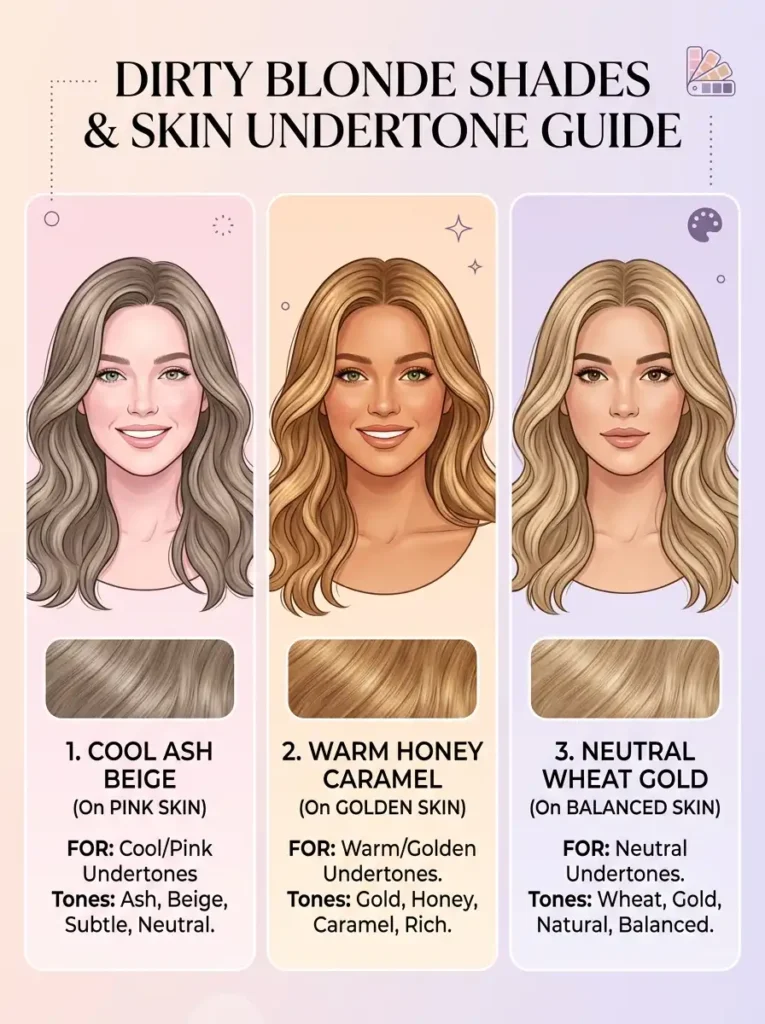
Not all dirty blondes look the same. The secret to making this color work is matching the undertone to your complexion:
| Skin Undertone | Best Dirty Blonde Tone | Why It Works |
|---|---|---|
| Cool / Pink | Ash, beige, pearl | Cancels redness and adds brightness |
| Warm / Golden | Honey, caramel, butter | Enhances natural warmth without looking orange |
| Neutral | Neutral wheat, soft gold | Balanced tones that never clash |
Many people confuse dirty blonde with dishwater blonde, but they are different. Dishwater is darker, muddier, and often reads as light brown with no highlight. A true dirty blonde hair color has intentional light reflection and at least two different tones woven through the strands.
Why Dirty Blonde Is the Smartest Color Choice Right Now
There is a reason this shade never leaves the trend cycle. It is universally flattering, grows out softly, and works on almost every base color.
Low Maintenance, High Impact
Because the shade is naturally rooted in darker tones, regrowth is forgiving. You do not need root touch-ups every three weeks. Many colorists design the shade with a root melt or shadow root built in, so your natural base transitions seamlessly into the lighter mid-lengths.
Ideal for Brunettes Who Want to Lighten
If you are a brunette nervous about bleach, dirty blonde hair color is the safest first step. Most stylists can lift a level 4 or 5 brown to a beautiful level 7 or 8 without aggressive bleaching. It opens the door to lighter blondes later without destroying your hair in one session.
Perfect for Natural Blondes Who Want Depth
If you were born with lighter blonde hair that has darkened over time, adding lowlights and slightly deeper tones creates a more expensive, editorial look. The color looks intentional rather than like grown-out childhood highlights.
How to Get Dirty Blonde Hair with Highlights
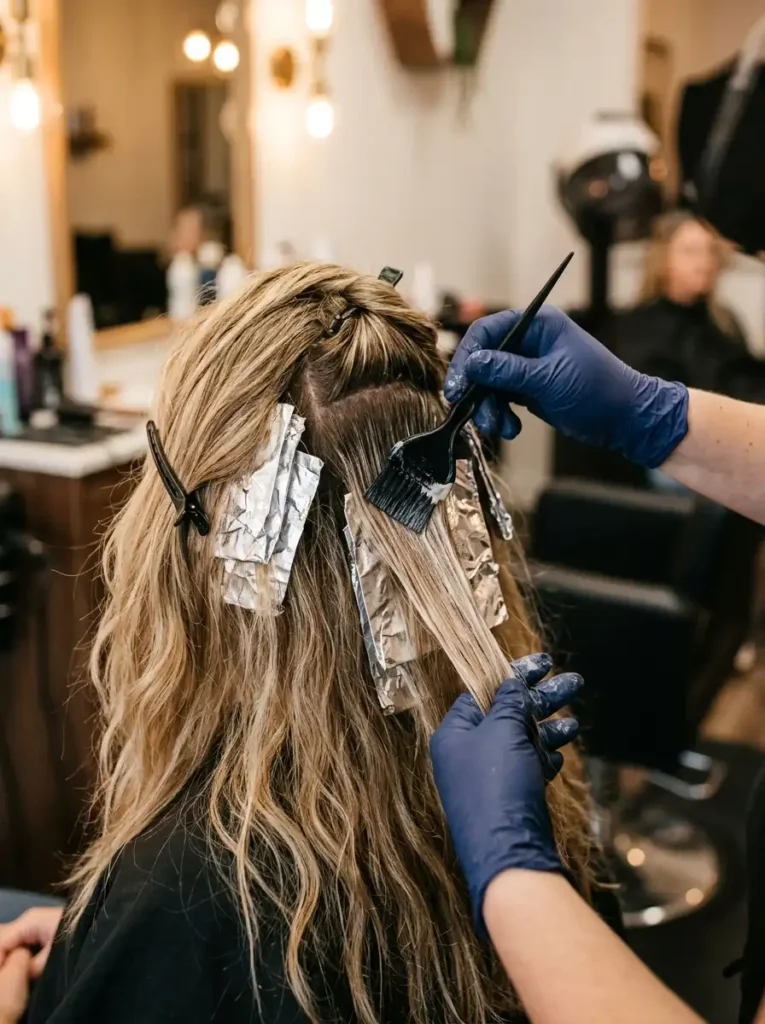
The technique matters more than the color itself. A bad application can turn muddy or brassy fast. Here are the three professional methods that work best for dirty blonde hair with highlights.
1. Balayage for the Sun-Kissed Effect
Balayage is a freehand painting technique where color is swept onto the surface of the hair. For dirty blonde, this creates the most natural result because the colorist controls exactly where the light hits. The ends stay brighter, the mid-lengths carry the warmth, and the roots stay close to your natural shade.
Pro tip: Ask for a “color melt” at the roots. This eliminates any harsh line between your natural color and the painted highlights.
If you want inspiration for how balayage transforms long hair, see our guide to the best balayage styles for long hair.
2. Babylights for Fine or Thin Hair
Babylights are extremely fine, delicate highlights placed around the face and through the top layers. They mimic the natural streaks children get after spending a summer outside. For fine hair, this technique adds volume and dimension without the chunky, striped look of traditional foils.
3. Foilyage for Maximum Brightness
If your natural hair is dark (level 4 or deeper) and you want a bright, noticeable dirty blonde, foilyage is the answer. The colorist paints the lightener on like balayage, but wraps each section in foil to trap heat. This lifts the hair more aggressively while still keeping the placement natural.
Lowlights: The Secret Ingredient
If you are already blonde and want to move toward dirty blonde, do not add more highlights. Add lowlights. These are one to two levels darker than your current color and are placed underneath the top layers. They create depth, making the brighter pieces pop even more.
At-Home vs. Salon: Choosing the Right Dirty Blonde Hair Dye
Can you achieve this color at home? Sometimes. Should you? That depends on your starting point and your expectations.
When to Go to a Salon
- Your hair is naturally dark brown (level 4 or lower).
- You have previous color buildup (box dye, henna, or dark permanent dye).
- You want dimensional highlights rather than a flat, single-tone result.
- Your hair is already damaged or chemically treated.
In the salon, a colorist will likely use a combination of lightener and demi-permanent glosses to control the tone. This prevents the orange or brassy stage that most at-home kits hit.
When At-Home Dirty Blonde Hair Dye Works
- Your natural hair is already a medium brown or dark blonde (level 5 to 7).
- You want an all-over color shift, not highlights.
- You understand that “ash blonde” box dyes often pull green or gray on warm bases.
If you choose an at-home dirty blonde hair dye, look for shades labeled “dark blonde,” “medium ash blonde,” or “honey blonde.” Avoid anything that says “lightest blonde” or “platinum”—those shades contain more ammonia and can overprocess your hair.
Always perform a strand test. Mix a small amount of dye and apply it to a hidden section of hair. Process for the full time, then rinse and dry. This is the only way to know exactly how your hair will react.
If your end goal is a warmer, richer brunette-blonde fusion, you might also explore our ideas for honey brown hair before committing to a full blonde route.
Maintenance: Keeping Your Color Fresh for Weeks
Dirty blonde is forgiving, but it is not maintenance-free. Without the right routine, the tone can shift brassy or dull within two weeks.
The Purple Shampoo Rule
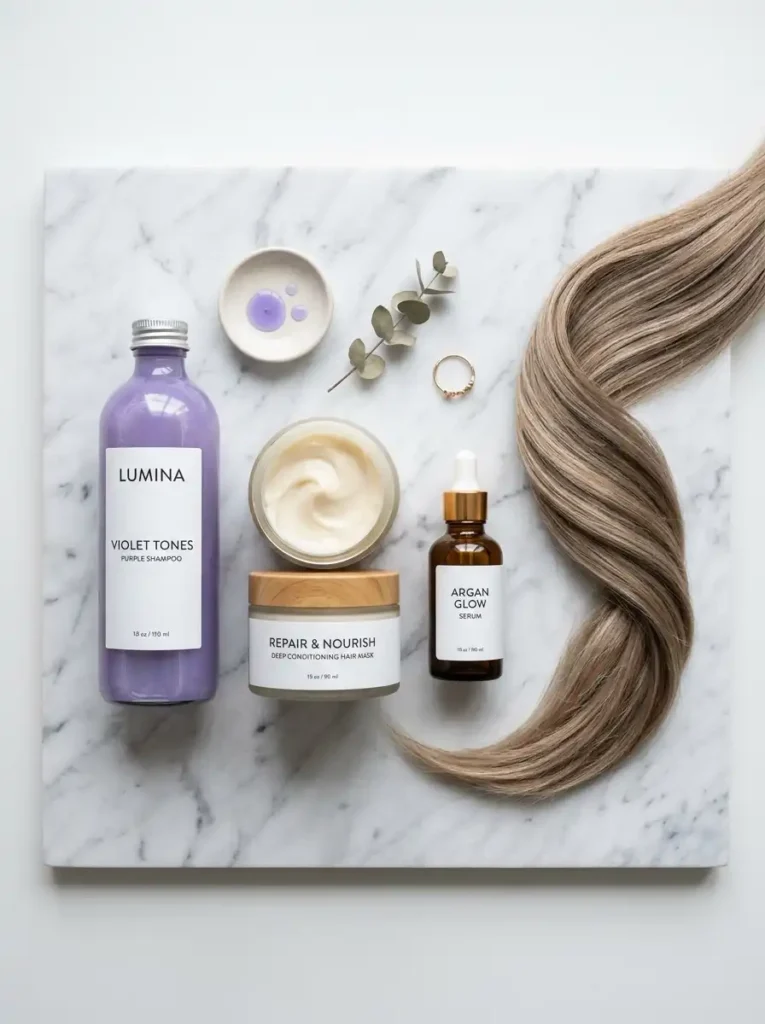
Use a purple or violet toning shampoo once a week, not daily. Overuse deposits too much pigment, which can turn ashy hair silver or give warm hair a muddy violet cast. Alternate between your color-safe hydrating shampoo and the purple formula.
Deep Conditioning Is Non-Negotiable
Lightening—even moderately—lifts the cuticle and causes moisture loss. Use a deep conditioning mask with keratin or argan oil at least twice a week. This keeps the hair smooth so light reflects evenly, which is what makes the color look expensive.
Heat Protection Every Single Time
Color-treated hair is more vulnerable to heat damage. Flat irons and curling wands at high temperatures can literally burn the tone out of your hair. Always use a heat protectant spray before styling, and keep tools below 350°F (175°C) when possible.
Glossing Appointments
Many salons offer standalone glossing services between full color appointments. A demi-permanent gloss refreshes the tone, adds shine, and seals the cuticle. It is the fastest way to revive dirty blonde hair with highlights without putting more stress on the hair.
For more warm-toned color care tips, check out our full collection of honey brown hair ideas that use similar maintenance techniques.
Styling Tips to Show Off the Dimension
The best thing about dirty blonde hair is that it already has built-in dimension. Your job is to style it so the light catches those different tones.
- Beachy waves: Use a large-barrel curling wand and leave the ends straight. The mix of texture and light creates a natural, sun-kissed finish.
- Sleek blowout: Smooth, straight hair reflects light like glass. This shows off the tonal shifts between highlights and lowlights beautifully.
- Face-framing layers: Ask your stylist for curtain layers around the cheekbones. The movement draws attention to the brightness around your face.
Not sure what cut flatters your face shape? Read our guide to choosing the best hairstyle for your face shape before your next salon visit. If you want to add a fringe, our fringe hairstyle ideas pair perfectly with dimensional blonde.
Dirty Blonde Variations to Try
If you want a twist on the classic, consider these modern variations:
- Ashy dirty blonde: Cool, smoky, and modern. Best for pink or neutral undertones.
- Honey dirty blonde: Richer and warmer. Flattering on golden or olive skin.
- Strawberry dirty blonde: A subtle infusion of rose gold. For something playful, see our strawberry blonde hair guide.
- Dark root with bright ends: A bold, high-contrast look that requires even less maintenance.
- Auburn-infused dirty blonde: A blend of blonde and deep red-brown. Explore our auburn hair ideas for inspiration.
Final Thoughts
Dirty blonde hair color works because it is flexible. It can be cool or warm, bold or subtle, salon-created or natural. The key is choosing the right technique—whether that is dirty blonde hair with highlights, a full dirty blonde hair dye transformation, or enhancing your natural dirty blonde hair with gloss and lowlights.
Focus on tone over lightness. A slightly darker shade that flatters your skin will always look better than a bright shade that washes you out. And once you have the color, protect it with the right products, schedule glosses between major appointments, and style it to let the dimension shine through.
If you are ready to book your appointment, bring photos, know your undertone, and ask for balayage or babylights with a shadow root. Your colorist will thank you—and your hair will look better than ever.
Have questions about making the switch? Explore more color inspiration, styling guides, and expert hair care tips across He Beauty Here.